
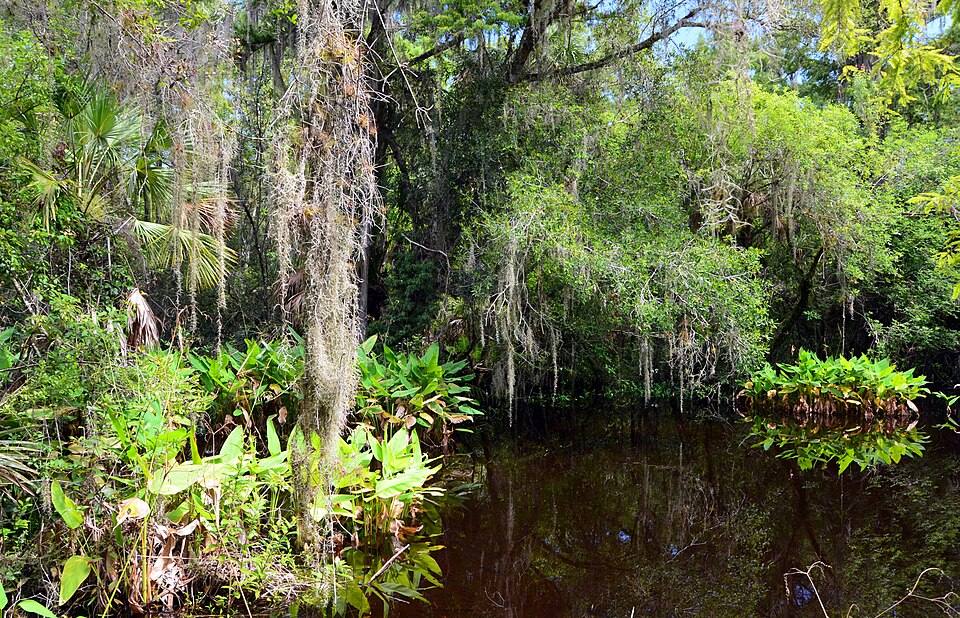
Florida is an interesting place, existing at a crossroads of incredible development and population growth and still having profound and incredible biodiversity in hot spots of deep wild. Florida’s Nature Coast and Big Bend regions offer examples of that. Everglades National Park is another example.
There are still places to melt into the wild and connect with another, more ancient Florida. Fakahatchee Strand Preserve State Park (FSPSP) in southwest Florida is such a place.
In the late 1980’s I was sitting in the library at the University of South Florida (USF) yearning for adventure.
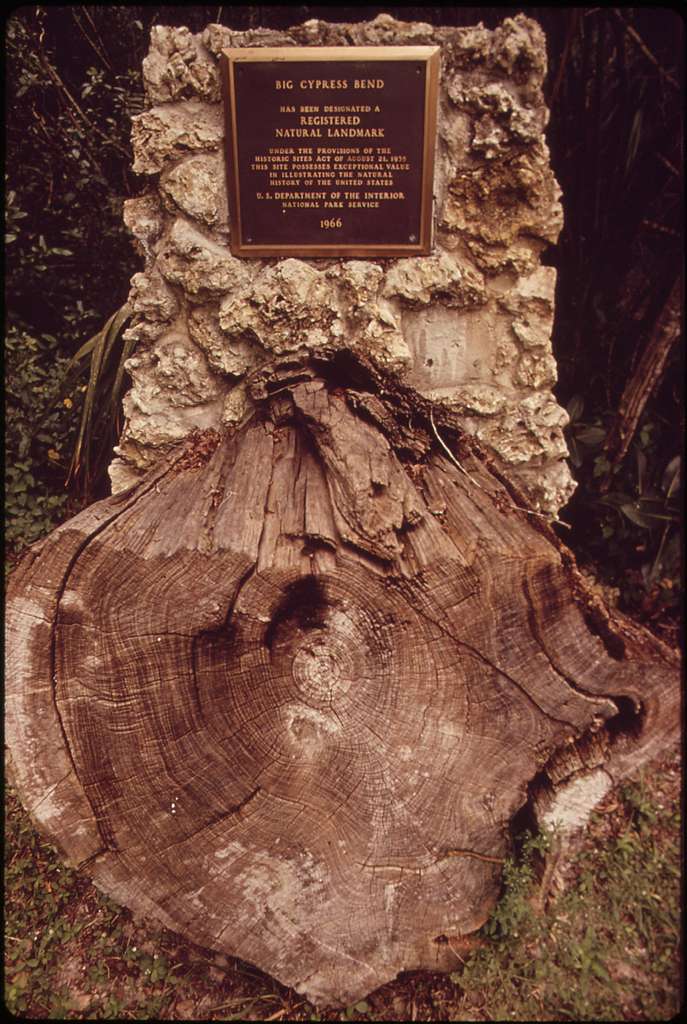
The first time I read about the FSPSP it was described with the most intoxicating words. “Fakahatchee Strand is perhaps the wildest place east of the Mississippi River.” I was hooked. I had to go and see this place. As soon as possible.
Sometimes I flew solo, sometimes I fast talked a few friends to go with me. Sweaty, dirty, chronically cash poor college students crammed into the cab and camper shell of my old truck, heading out into the night. A jumble of backpacks, grills, firewood, hiking boots, sleeping bags, tents, paddles, PFDs, coolers, and a very loud boom box all rattling around surrounding us.
My first journey to Fakahatchee was with friends, and we would return many, many times.
FSPSP is nestled above the Ten Thousand Islands portion of Everglades National Park and lies just next to Big Cypress National Preserve. It is wet, wild, fecund, sublime, dark, dangerous, and demanding. Wading is as common as hiking. Reptiles and amphibians of all types are abundant as are insects, native plants, and iconic Florida species from bears to panthers, to crocodiles, to alligators.
We saw a Florida Black Bear on our first trip. We found Florida Panther tracks in the soft oozing mud along the trams. The evening chorus of frogs, insects, birds, and God knows what else was a deafening cacophony. Florida folk musician and wilderness poet Dick Joslyn christened it the “Fakahatchee Jam.” We were not in Kansas anymore and a gator was eyeing Toto for a snack.
You navigated the darkened waist deep waters you waded through with your feet, hidden beneath the water’s surface. You hoped the round objects you encountered were logs and not big toothy alligators.
You saw endless snakes. Endless. Many of them in the upland hammocks were fat and long and adorned with rattles. Many of them laying between ferns on a partially submerged log, thick as your forearm, were of the Moccasin variety. You were hyper aware of where you put your hands and feet. If snakebit it was a long way out to the road, and a long way to the nearest medical facility. This was in an era before phones of cellular.
We drove through FSPSP many times along Jane’s Scenic Highway, generally above the grade of the swamp and an incredible place, particularly at night, to see wildlife. We would stop on some of the trams, old logging roads built above the grade of the water, to hike into the vast green and foreboding wet wilderness. If memory serves, we liked Tram Number 7 for hiking and camping. Paper maps, a compass, and lots of remembered landmarks were key to exploring off the trams.
One afternoon we set up camp and hiked further along the tram to a large and open prairie. We lost track of time and after a miraculous sunset began hiking back along the Tram to our campsite. Between the three of us we had one small flashlight with a feeble beam that barely penetrated the enveloping darkness.
As we walked, we gradually kept drawing closer to one another. Then we made out a round elongated shape in front of us laying across the Tram which was at least 8 to 10 feet wide. Was it a downed tree or log? Had we stepped over it before on the way in? We honestly could not remember.
Slowly, effortlessly, the log rose up on its four legs, and with great power and nobility eased into the darkened waters off the tram. Slowly. Then just a trail of bubbles remained. Then, nothing. The darkened waters were still and silent again, betraying nothing of the modern dinosaur lurking within.
The beam of the flashlight seemed ever more feeble.
Besides the wild, scaly, toothy, slimy, furry, and fanged creatures all around us on our trips to FSPSP in the late 1980s and early 1990s there was adventure in the air simply due to feeling as though you had gone to the end of the world, and then farther. “Back of Beyond” as nature writer Edward Abbey might observe.
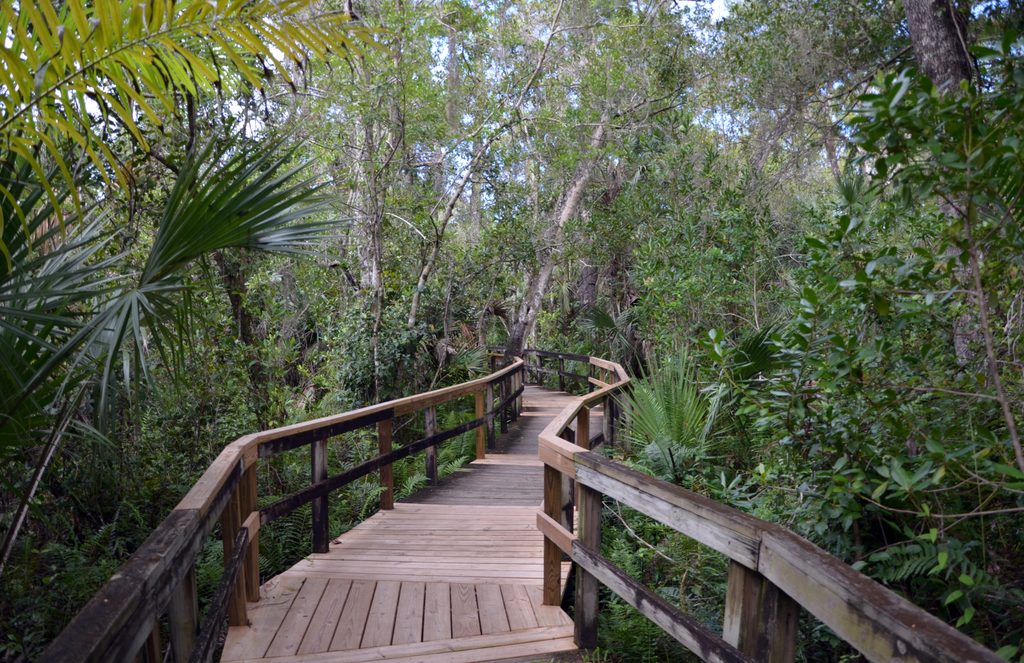
We had a favorite island that we loved to camp on, remote and wild, in the Ten Thousand Islands. Comer Key was an official campsite within Everglades National Park. There were few amenities and it was only accessible by boat (or in our case, canoe).
A few months after Hurricane Andrew in 1992 we decided to return to our island paradise, perched along out near the edge of the islands along the Gulf of Mexico. After leaving the boat launch in Everglades City in our canoes we arrived at a spot of open water and no island. Hurricane Anderw had simply caused it to disappear. Washed it away. All of it. The power of nature.
I support Healthy Gulf because I want there to always be places along the Gulf Coast that embody wilderness and deep wild. I want to find places still, even in 2026, to get a little lost or to feel the power of nature. Healthy Gulf saves the places that stir my soul.
So, in the spirit of adventure and exploration I urge you to travel south on I-75, jump on Tamiami Trail (US 41), leave Naples in the rearview and head east into the wild, wet, and wooly swamps. When you hit SR 29 head north to Copeland and enter FSPSP. While it might be a little less of a frontier than in the days of my youth, it is still one of the wildest places left east of the Mississippi River. Enjoy!
Fakahatchee Strand Preserve State Park
https://www.floridastateparks.org/parks-and-trails/fakahatchee-strand-preserve-state-park
Joe Murphy is a native and lifelong Floridian who lives along the Gulf of Mexico in Florida’s Nature Coast. Joe is a former staff member and Board Member of Healthy Gulf and contributes these blog posts as a supporter and alumnus. You can follow Joe on Facebook at: https://bit.ly/joemurphyfacebook