
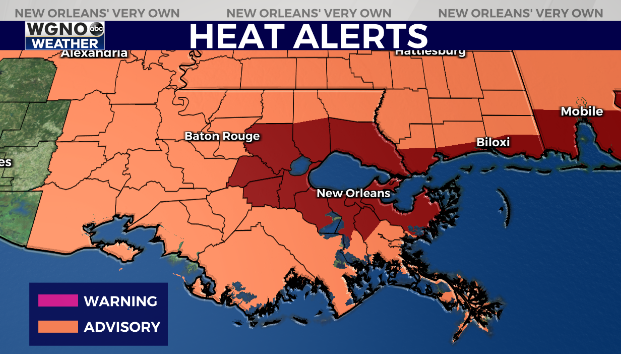
This week, Southeast Louisiana is once again under dangerous heat conditions. Meteorologists have warned that the combination of high temperatures and humidity will create dangerous heat index conditions, increasing the risk of heat-related illness for anyone spending extended time outdoors. Public officials are urging residents to stay hydrated, limit outdoor activity during the hottest parts of the day, and seek air-conditioned spaces whenever possible.
For many people, those warnings have become numb to hear given we must face the heat with limited relief.
This should not be the case.
Extreme heat is no longer just another summer inconvenience. It is becoming one of the most significant public health challenges facing our communities, whether we are aware or not. As our climate changes, dangerous heat events are becoming more frequent, lasting longer, and affecting more people. That means we must stop thinking about extreme heat as simply a weather forecast and start treating it as a public health emergency.
Heat-related illnesses such as heat exhaustion and heat stroke can become life-threatening if left untreated. Older adults, young children, outdoor workers, people living with chronic health conditions, and people experiencing homelessness all face increased risks. Expecting mothers and families with newborn babies are also especially vulnerable. Pregnancy places additional stress on the body, and infants cannot regulate their body temperature as effectively as adults. During periods of extreme heat, staying cool is more than a matter of comfort—it’s a matter of protecting lives.
But the burden of extreme heat isn’t measured only in degrees.
It’s measured in dollars.
For many New Orleans families, air conditioning is no longer a luxury—it’s essential. Yet keeping cool comes at a growing cost. The Light Is Your Right campaign has highlighted the difficult reality that many residents face every month. Families are forced to make impossible choices: Do I pay my light bill or my rent? Do I buy groceries or keep the air conditioner running? Do I pay for medicine or keep the electricity on?
Those aren’t financial decisions.
They’re survival decisions.
Even when families can afford to run their air conditioner, another concern remains.
What happens when it breaks?
A major repair or replacement can cost thousands of dollars. For renters, the situation can be even more stressful. When an air-conditioning unit fails, many must wait for landlords to make repairs while dangerous temperatures continue outside. During an extreme heat event, no family should have to wonder how long they’ll be without relief.
Heat also exposes long-standing inequities in our communities. Many residents rely on public transportation, walking to bus stops with little shade while standing on sidewalks and streets that absorb and radiate heat. Outdoor workers often have no choice but to continue working despite dangerous conditions. And our neighbors experiencing homelessness remain among those most at risk. While the City and community organizations provide cooling centers during extreme heat, some individuals face barriers that make accessing or remaining in those facilities difficult. They matter too, and they deserve protection during heat emergencies.
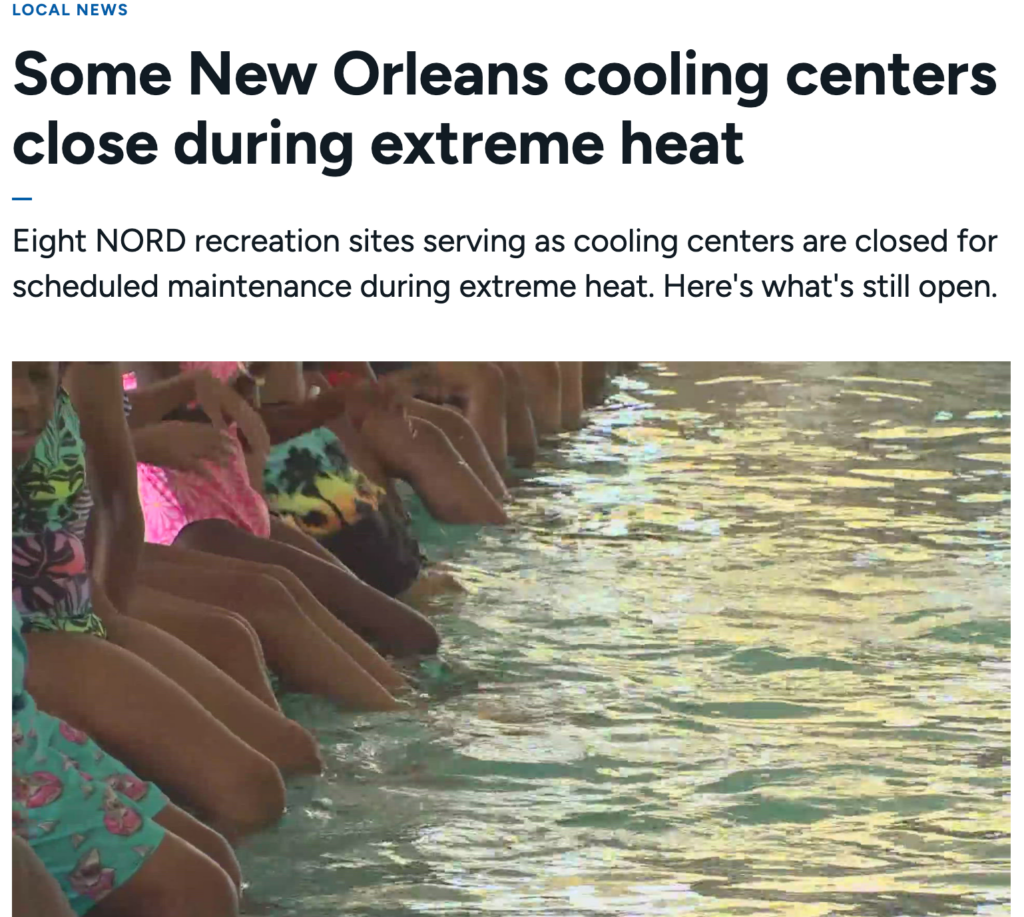
Cooling centers themselves are an important part of our emergency response, but we should also think carefully about when they are available. Many NORD facilities close for routine maintenance after summer camps end. While that maintenance is necessary, it often coincides with the hottest weeks of the year. Because the City frequently relies on NORD facilities as cooling centers, these temporary closures can reduce the number of places available for residents seeking relief. As dangerous heat becomes more common, we should continue exploring ways to ensure cooling facilities remain accessible when communities need them most.
Extreme heat doesn’t exist in isolation.
It affects our healthcare system, our energy system, our economy, our transportation network, and our overall quality of life. It increases emergency room visits, strains the electric grid, raises household expenses, and places additional stress on families already working hard to make ends meet.
Preparing for a hotter future requires more than simply responding to heat advisories. It means expanding public awareness, strengthening outreach to vulnerable residents, ensuring access to cooling centers, increasing shaded public spaces, installing hydration stations, and making thoughtful investments that help communities stay cooler over the long term.
Nature-based solutions should be part of that strategy. Trees, parks, wetlands, rain gardens, and other green infrastructure naturally help cool neighborhoods while improving air quality, reducing flooding, and making communities healthier and more resilient. We all know the feeling of stepping beneath the shade of a large live oak on a hot Louisiana afternoon. It’s where people gather, children play, neighbors visit, and everyone finds relief from the blazing sun. Sometimes the simplest solutions are the ones nature has provided all along.
The next time a dangerous heat warning appears on your phone, don’t think of it as just another hot day.
Think about the senior living alone.
Think about the expecting mother trying to protect her unborn child.
Think about the parent caring for a newborn.
Think about the family deciding between paying the light bill and buying groceries.
Think about the renter waiting for an air conditioner to be repaired.
Think about the worker standing in the sun.
Think about the person waiting at an unshaded bus stop.
Think about the neighbor experiencing homelessness with nowhere to escape the heat.
Extreme heat affects all of us.
But it does not affect all of us equally.
If we’re serious about building a healthier and more resilient New Orleans, we must recognize extreme heat for what it is—not just a weather event, but a public health emergency that demands preparation, compassion, and action.
Because protecting people from extreme heat isn’t just about getting through another summer.
It’s about building communities that are healthier, safer, and better prepared for the summers still to come.