
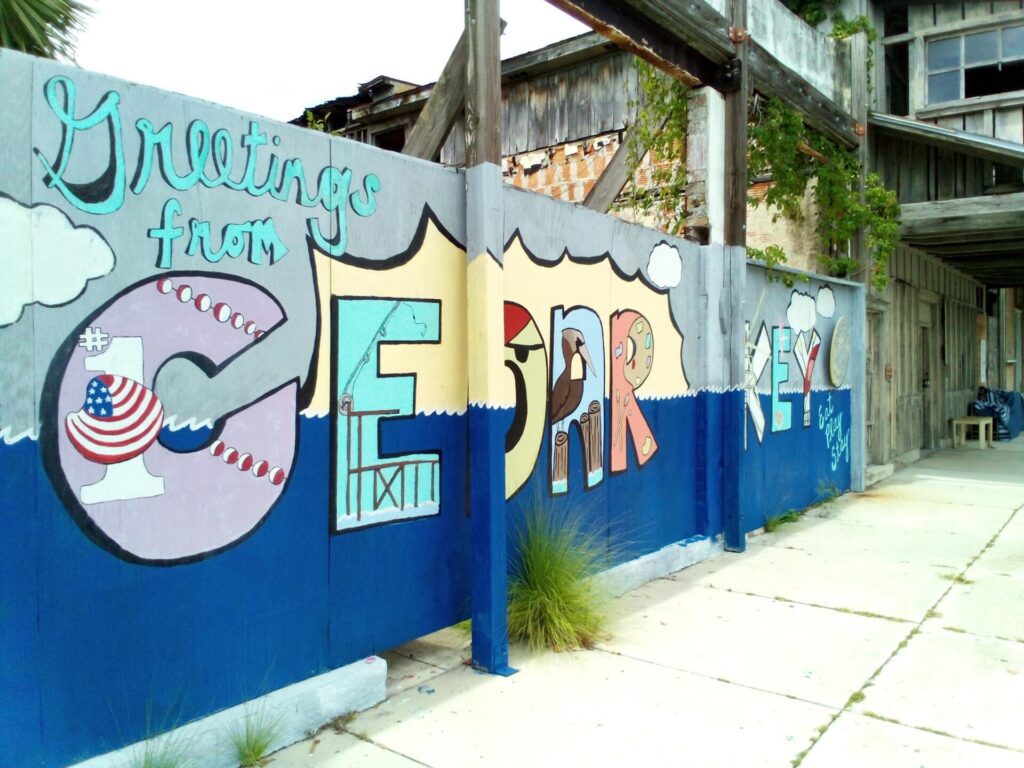
I found myself thinking of Cedar Key today. The heart of the Nature Coast, the capital of the coastal marsh, the end of the line for railroads and travelers like John Muir. So many Cedar Keys have existed on the islands perched out in the Gulf of Mexico. Railroad destination, fishing village, pencil factory, artist colony, ecotourism haven, and aquaculture community as the Clam Capitol of Florida.
The ghosts of all the histories and current incarnations blend together, woven together into a mosaic of old Florida and a community placed centrally at the crossroads of Florida’s future. How will Florida, a peninsula laying between great bodies of ocean, chart our way forward with sea level rise, climate impacts, and intensifying hurricanes? If we can explore those questions in Cedar Key, perhaps we can apply answers in other sacred places along the Gulf Coast.
Few places lay squarely in the crosshairs of the storm at hand, and the storm coming, more than Cedar Key. Sea level rise is not abstract on a low-lying island. Multiple hurricanes in a row are not academic when it is your island facing the storm surge. Rebuilding costs are not abstract when piled on year after year.
A community relying on tourism, recreational fishing, and aquaculture cannot afford to ignore changes in water temperature or water quality. Yet when you are fully and completely downstream, impacting the point source of pollution or climate change is not easy.
I have been going to Cedar Key for 50 years. Some aspects of this amazing place seem frozen in time, which is a comforting thing. And some changes are fascinating. Seeing Roseate Spoonbills and mangrove trees in and around Cedar Key is new in my lifetime.
But seeing the same areas impacted by recurring hurricanes is sobering and leads me to fear for the future of this island of splendor.
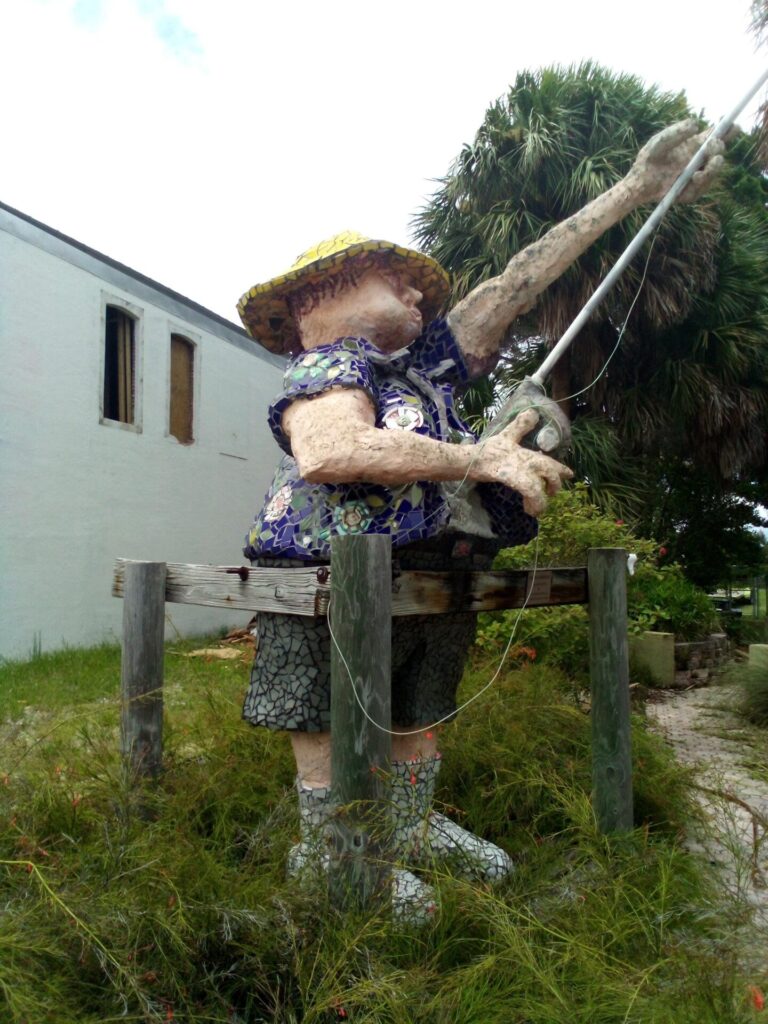
Residents of Cedar Key respond to these challenges with resilience, an adaptive spirit, and humor. But surely it gets more challenging every year.
I believe that the Nature Coast of Florida should be the conservation priority for the state of Florida. Cedar Key is at the heart of that. If we all pull together, and bring our full spirit and support as Floridians to this place, we can both preserve it and learn the lessons that will sustain us as well.
If you travel to Cedar Key there are numerous places you should explore. The Lower Suwannee National Wildlife Refuge (NWR) is just north of town. Over 55,000 acres of pristine pine forest, coastal marsh, and wet hammocks can be yours to explore by hiking, biking, paddling, fishing, and viewing wildlife. Learn more by visiting: https://www.fws.gov/refuge/lower-suwannee
The vast coastal marsh, the nearby coastal hammocks and scrub habitats, and the Lower Suwannee NWR all surround the islands with deep and true wild Florida. When the Suwannee River meets the Gulf, just north of Cedar Key, two great works of nature become one.
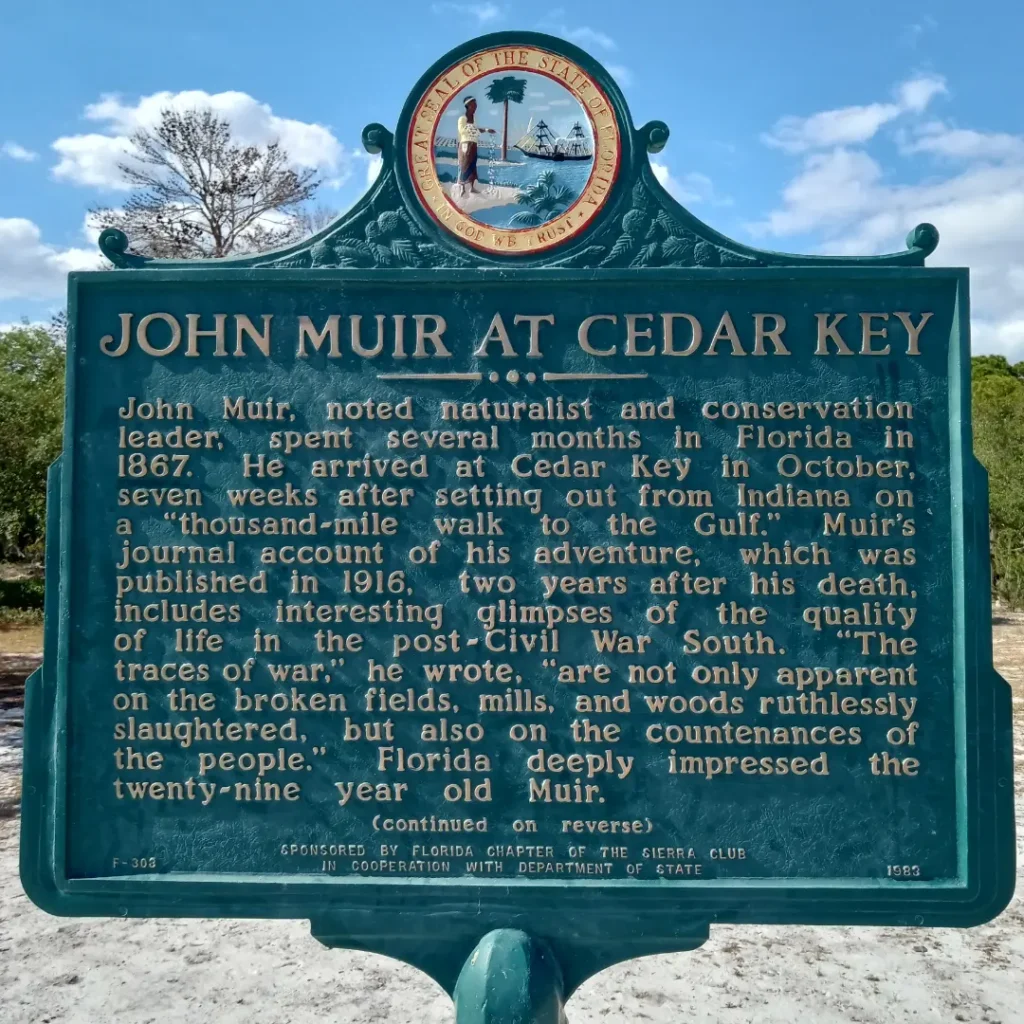
In the late 1860s, famed naturalist John Muir walked from the upper Midwest to the Gulf of Mexico. A memoir of this adventure was published posthumously, entitled “A Thousand Mile Walk to the Gulf.”
Muir traversed a war-torn American South. He carried no weapon, relied on the kindness of strangers and carried simple items like a plant press, a journal and a Bible. He had a deep and tremendous curiosity about the natural world and put that into action.
As Muir entered Florida around Fernandina Beach, he took a southwestern path that eventually led him to Cedar Key. Upon arrival, he began to show symptoms of malaria and had to stay longer than he had expected.
It was in this period that he made the momentous decision, upon recovery, to travel west to California rather than continue on to South America. He also began journaling about concepts now known as deep ecology, or the idea that all of nature has intrinsic value whether it benefits humanity or not.
His eventual influence on everything ranging from nature writing to conservation to our public lands can be traced in part back to his time in the Nature Coast and in Cedar Key. Now, many years removed, we need to harness that deep and profound love of nature, that boundless curiosity and the passion to put ideals into action that defined John Muir.
As we confront the climate crisis, we need more than ever to think and dream big as we propose landscape-scale solutions to keep the mosaic of all things wild in Florida from further fraying. Perhaps Muir’s passion, idealism and dedication can inspire us across history and be grounded again in the Nature Coast and in Cedar Key.
Joe Murphy is a native and lifelong Floridian who lives along the Nature Coast of Florida. He is a former Board Member and Staff Member of Healthy Gulf (then Gulf Restoration Network). He is a freelance nature writer and conservation advocate, and more importantly a grandpa. You can follow Joe on Instagram @naturecoastjoe