“I’ll have you know that I’m now in love with Rice’s whales.”
I heard some version of that statement from several people who attended the 2026 Gulf Coast Whale Festival at Pensacola Beach, Florida. And it warmed my heart. In this, our third year of the Festival, our collective interest and passion for Gulf whales have really taken off as we work to build a “whale culture” on the Gulf Coast.
What is a “whale culture”? A culture is our shared set of values, beliefs and traditions. We have a certain culture along the northern Gulf Coast, as does every place. We have a “beach culture,” as we love to spend time on our beautiful white sand beaches. We also have a “sea turtle culture”, a “dolphin culture” and a “manatee culture” because those are all animals that we see close to shore and we promote and celebrate them.
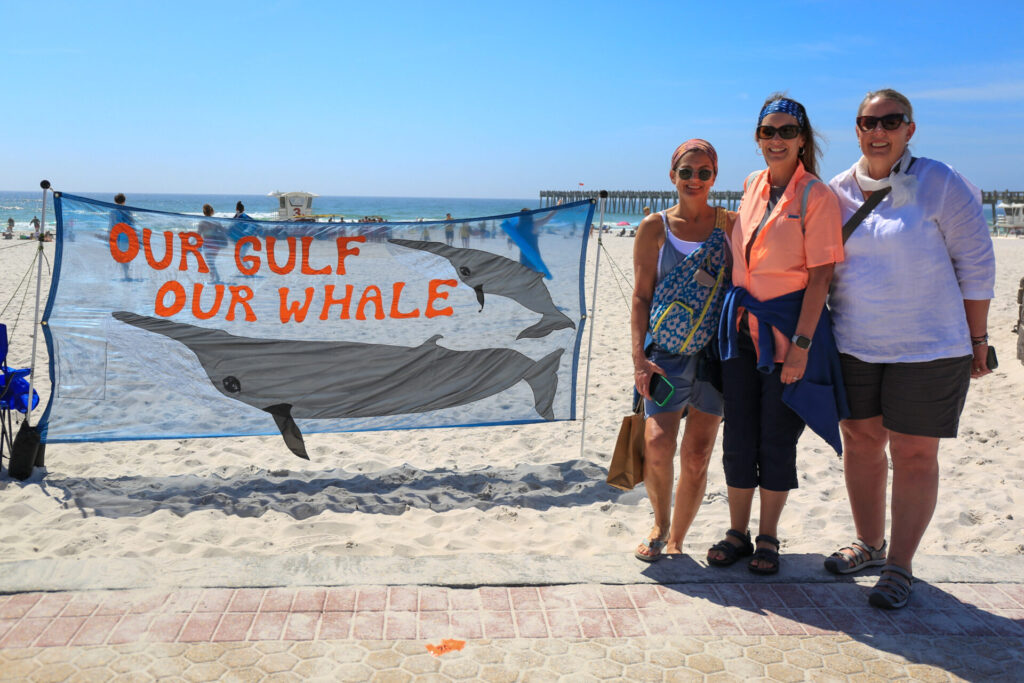
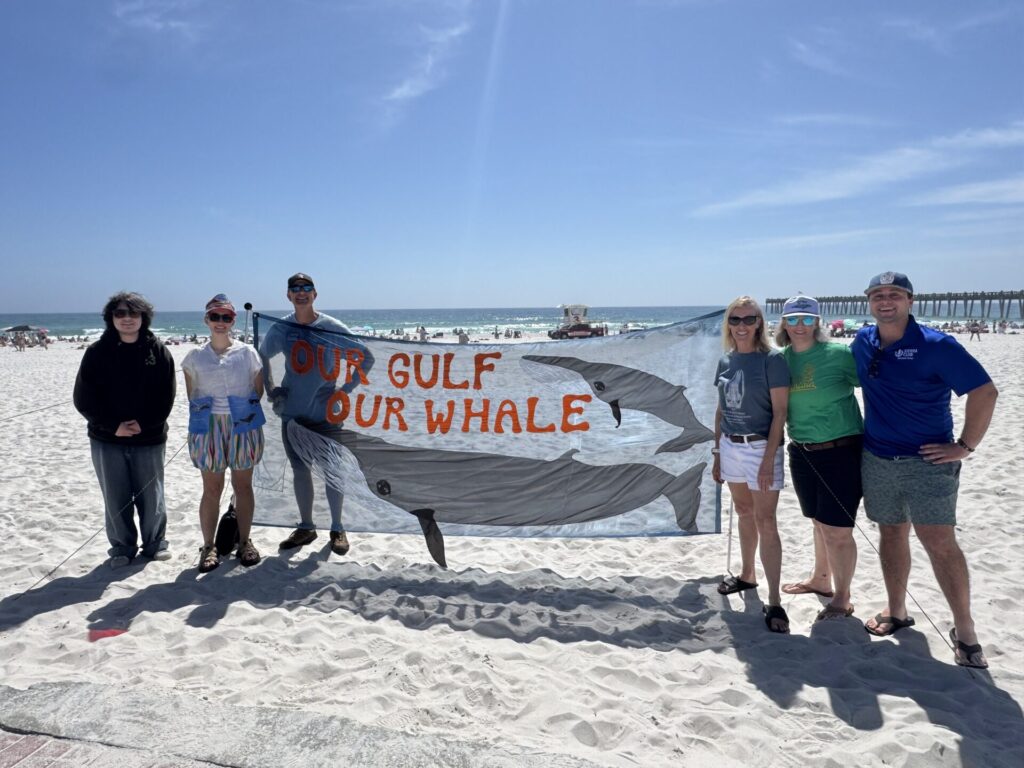
Most of our Gulf whales stay farther offshore and so we rarely see them. Because of that, we have not traditionally had a “whale culture” in these parts. With the annual Gulf Coast Whale Festival and its collection of education, art, music, and fun, the community is now building that “whale culture”, talking about and celebrating our Gulf whales.
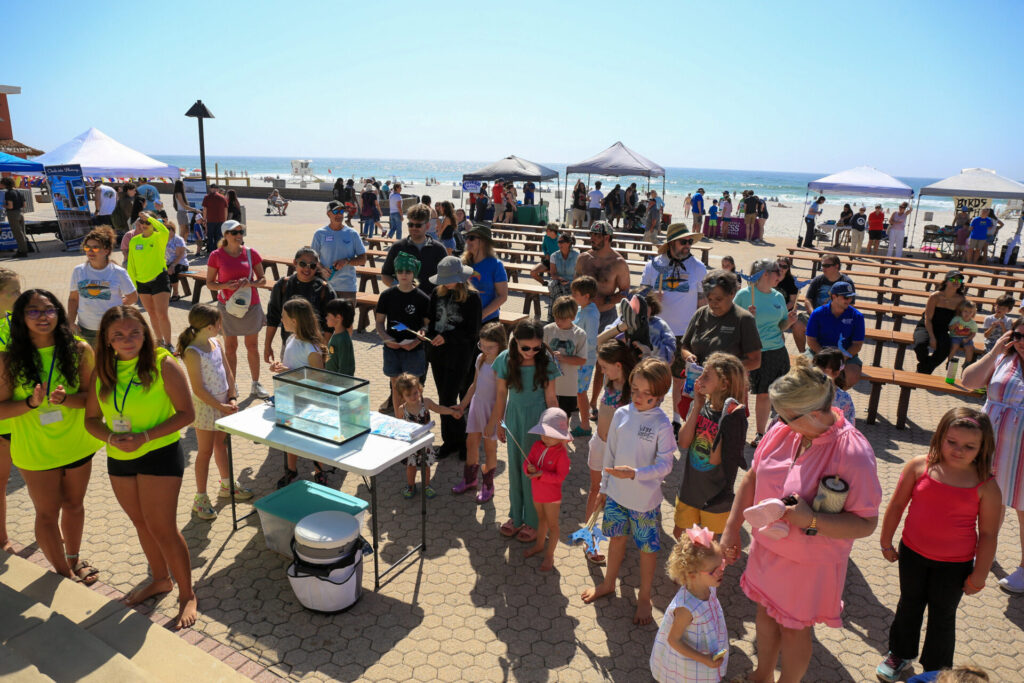
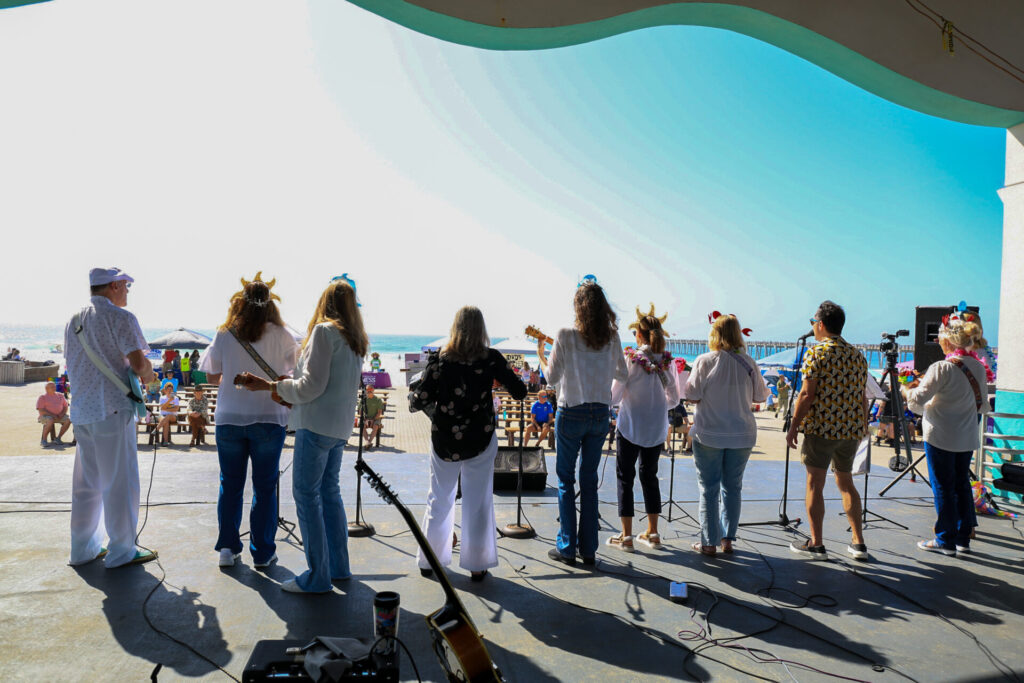
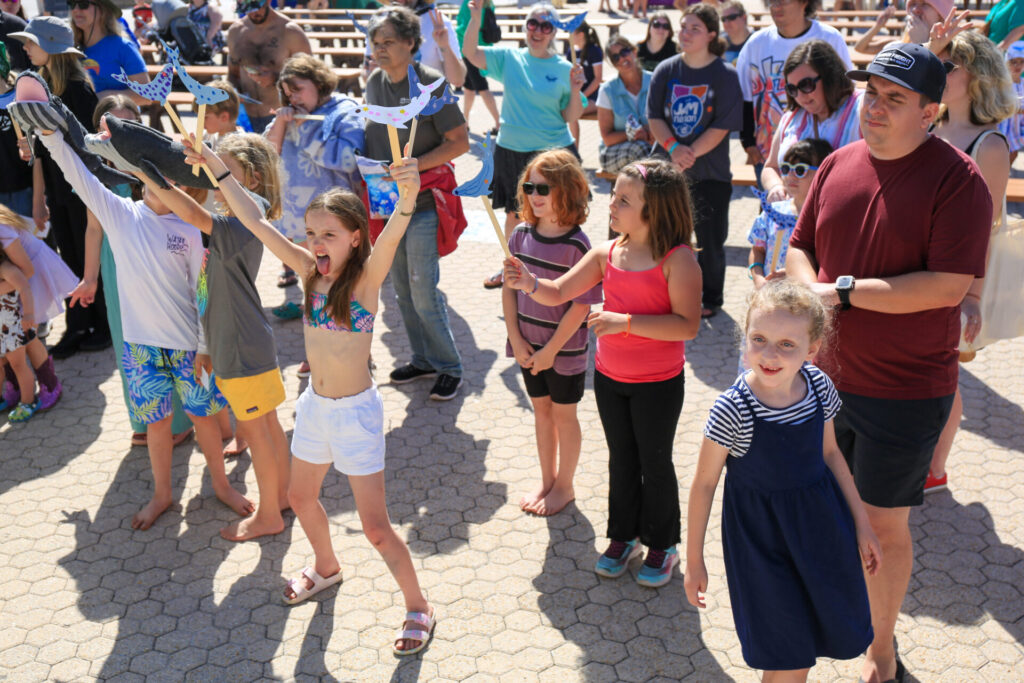
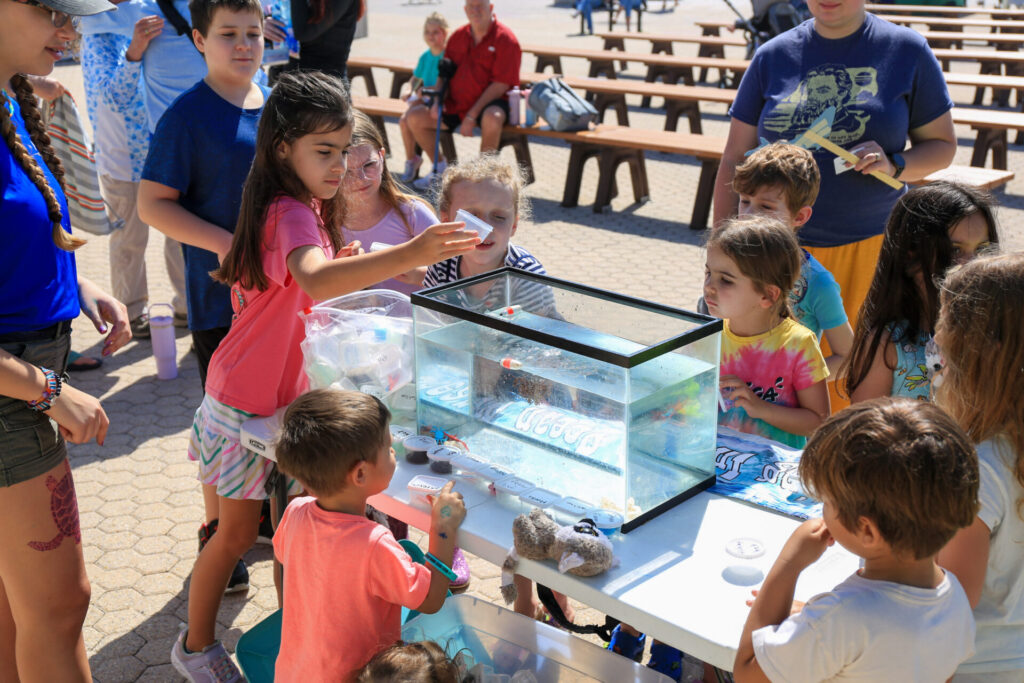
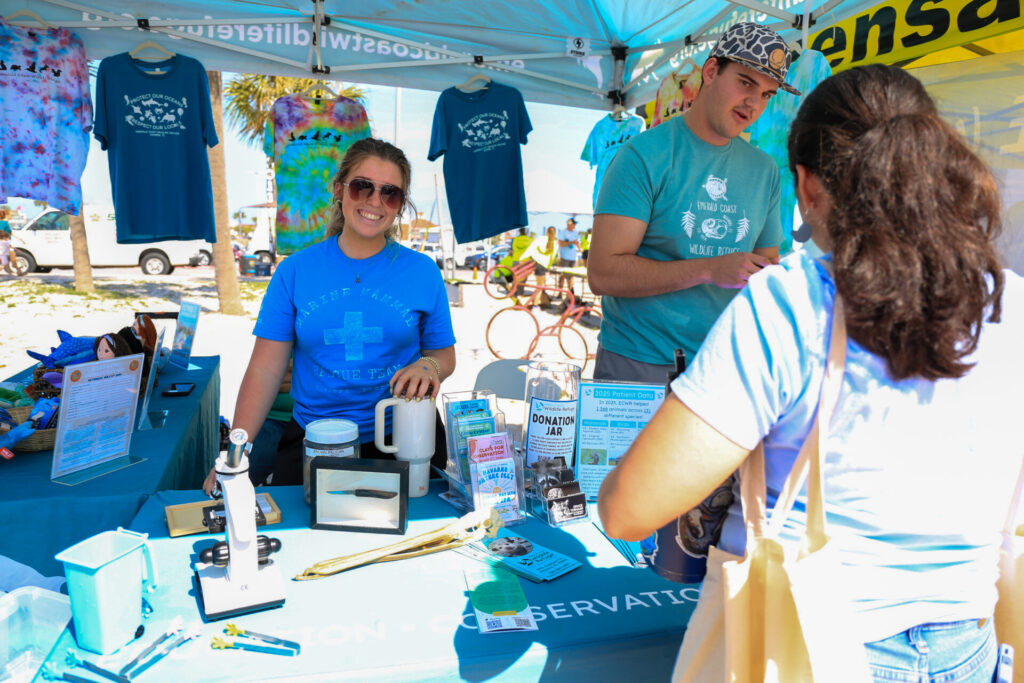
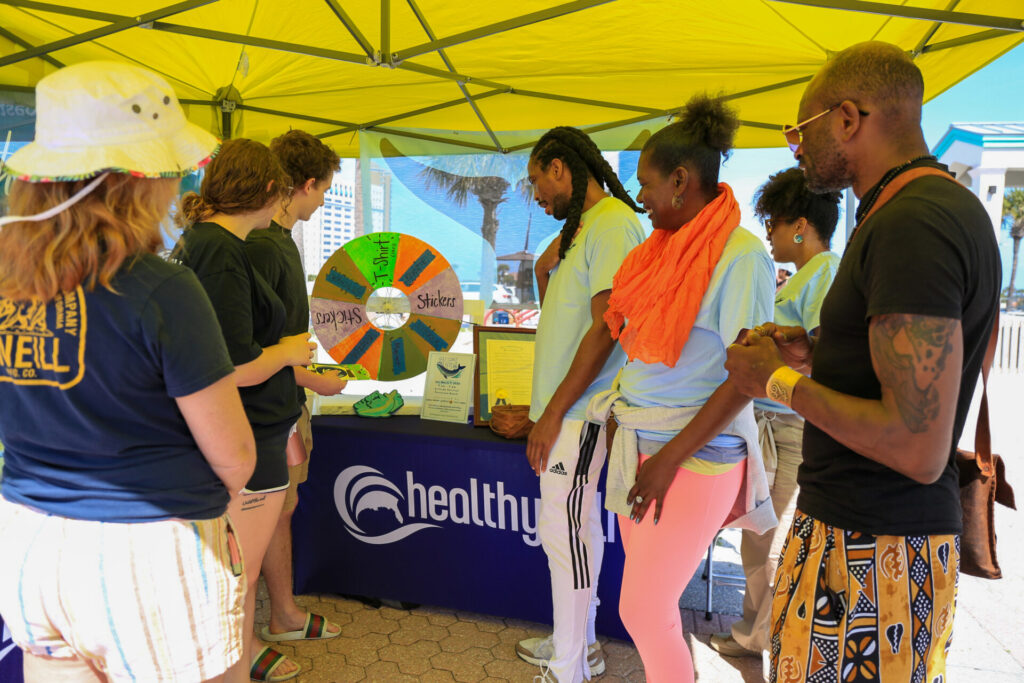
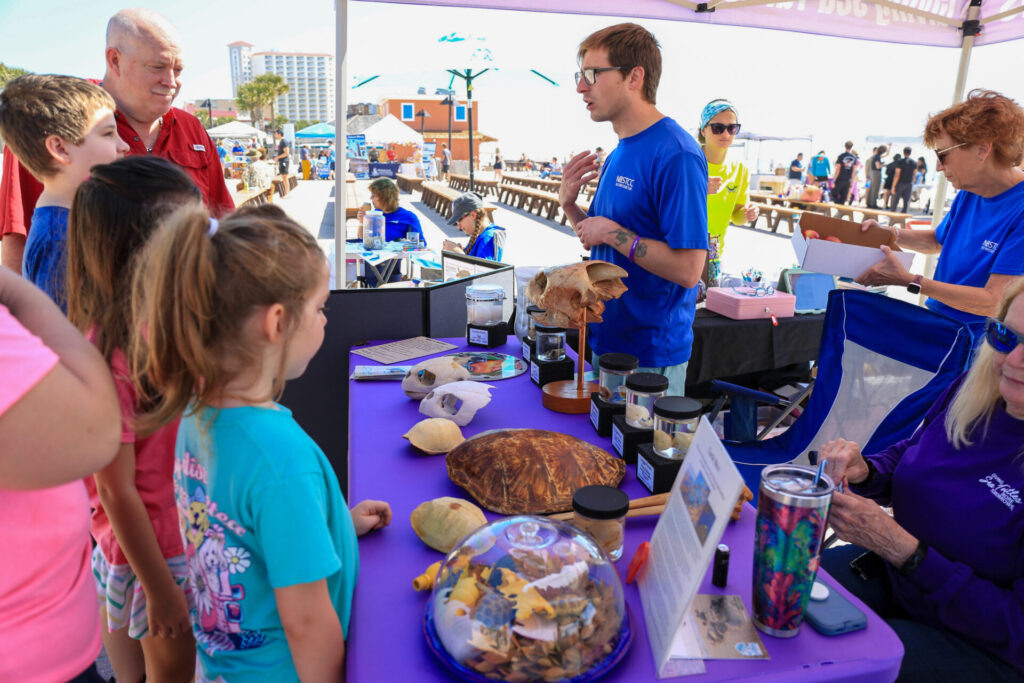
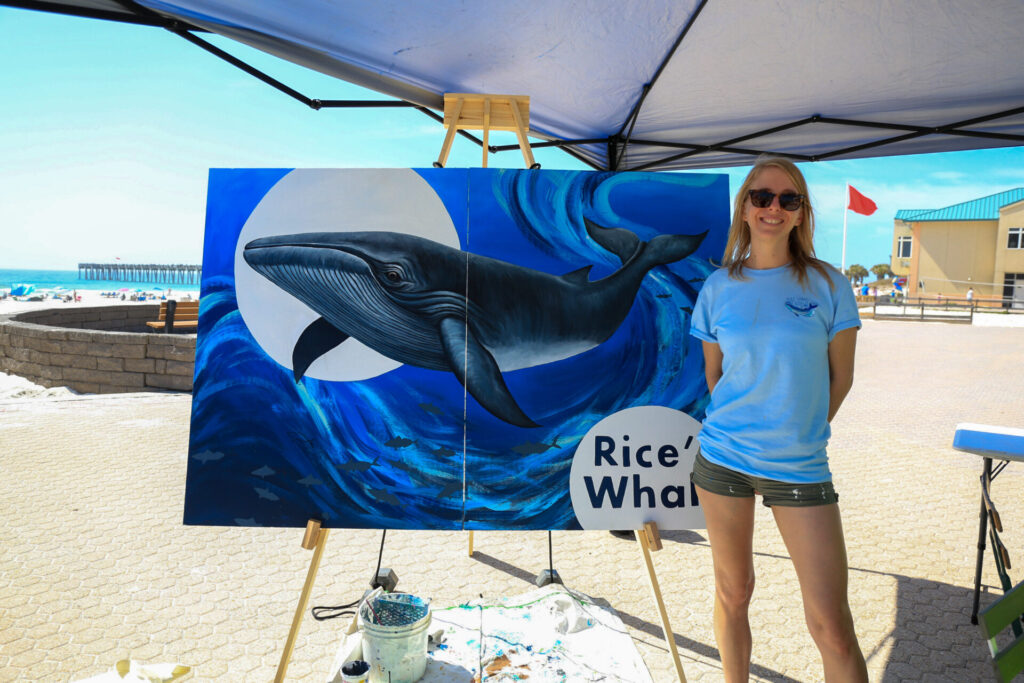
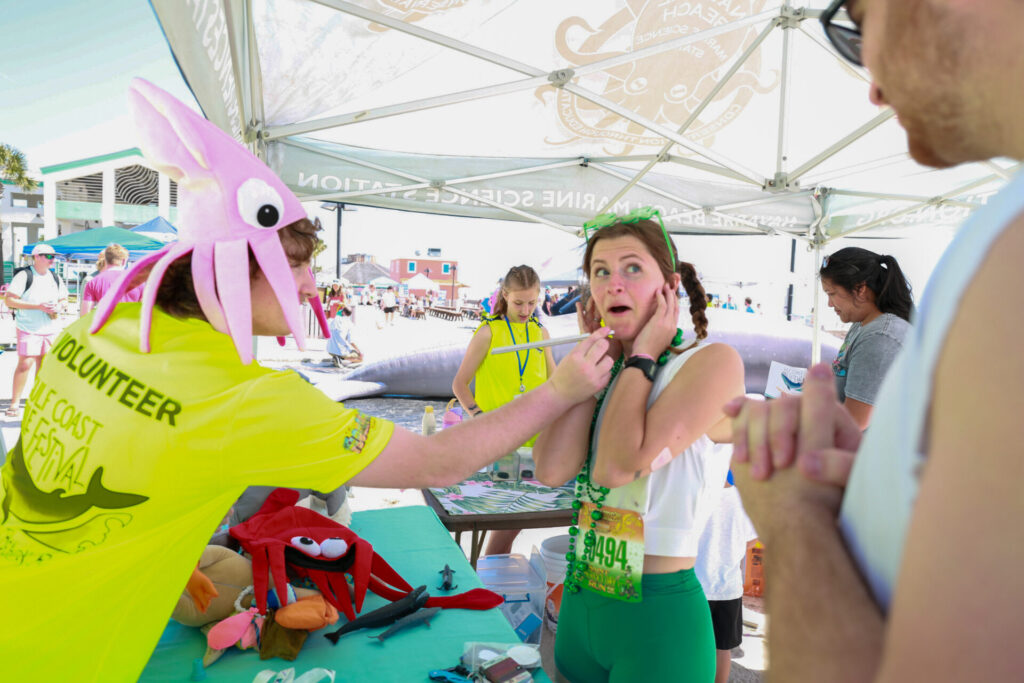
For this festival and our spot overlooking the white sand beaches and emerald green waters, we buzzed with excitement and activity all day long. About two dozen colorful and engaging booths full of scientists, artists, advocates, educators, and more, surrounded the beach pavilion with fun activities for all. We all learned about major threats to Gulf whales, such as offshore drilling, and how to get involved in protecting and recovering our whale populations. Local singer-songwriters and a women’s ukulele group kept the sweet sounds flowing all day long, creating a warm backdrop as the southern breeze bathed us in fresh Gulf air.
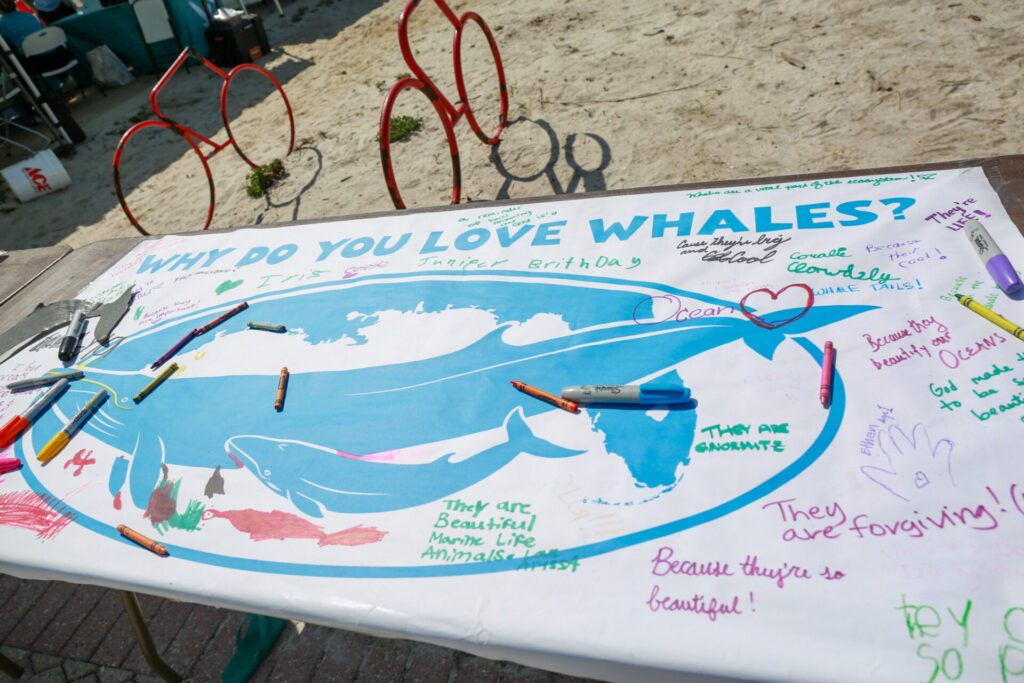
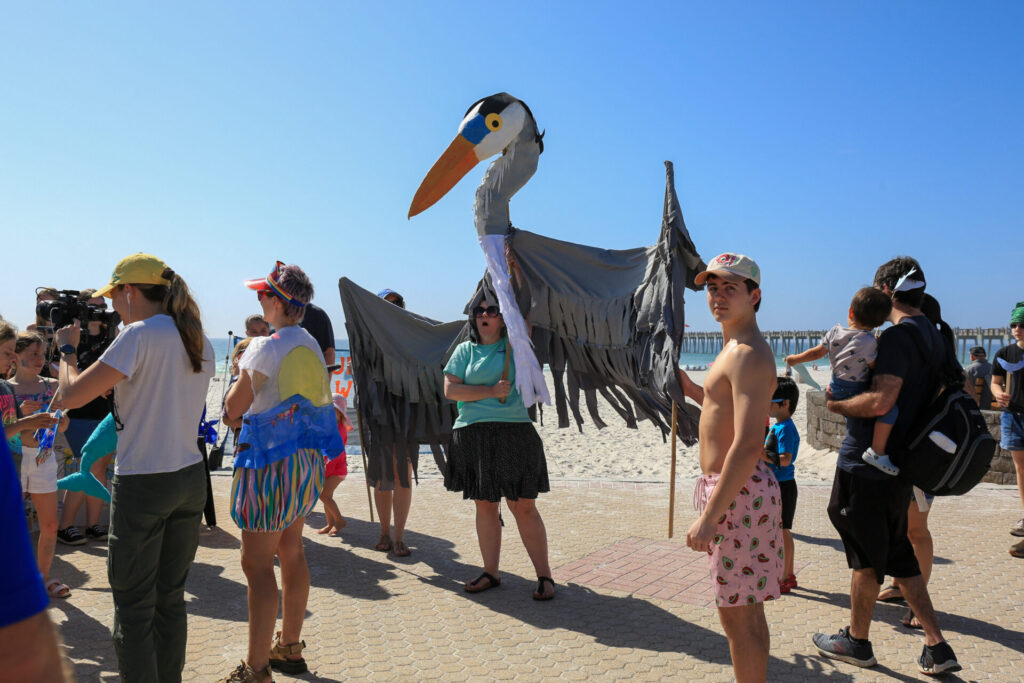
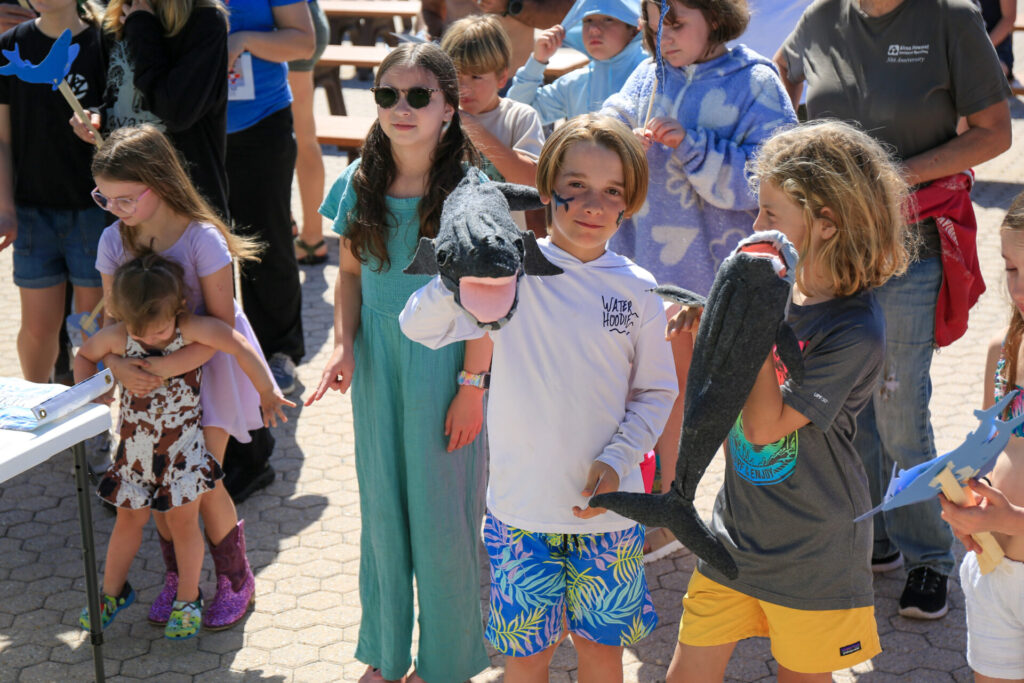
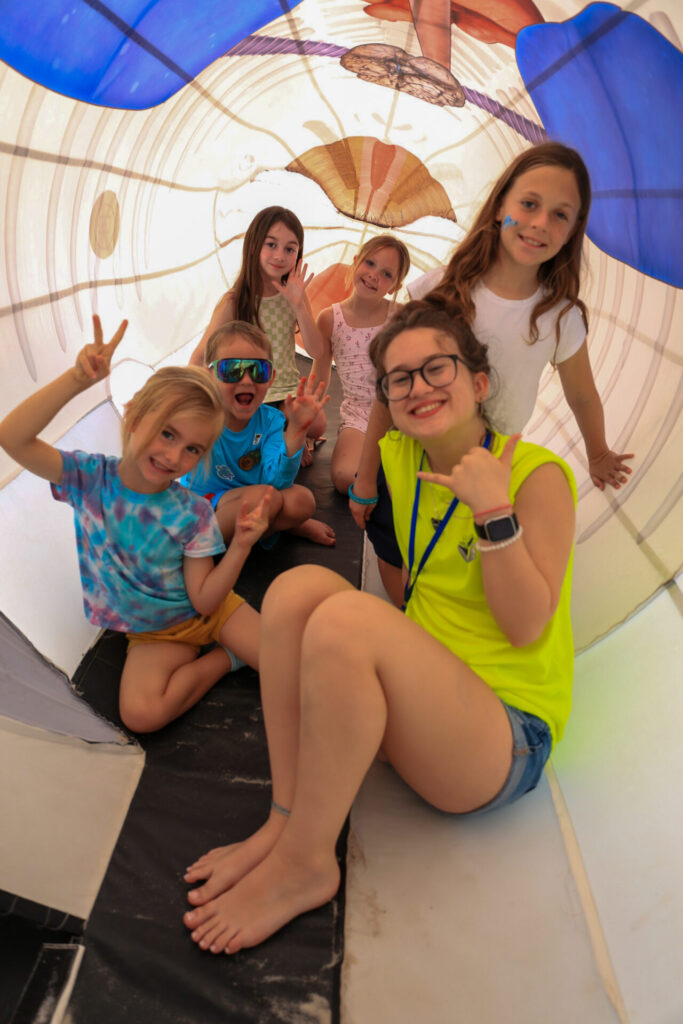
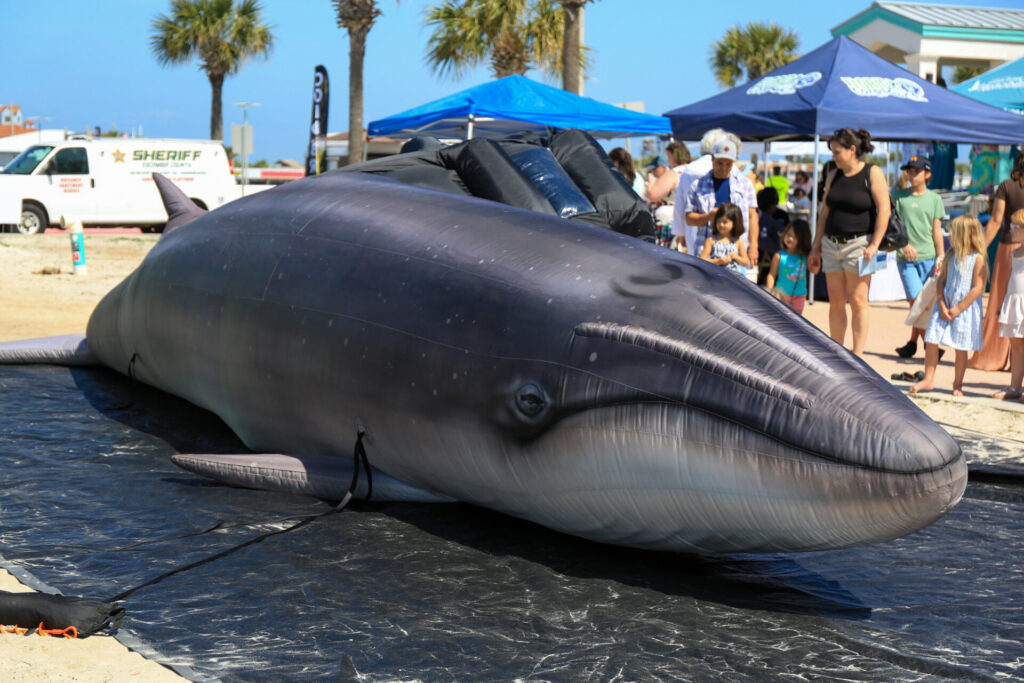
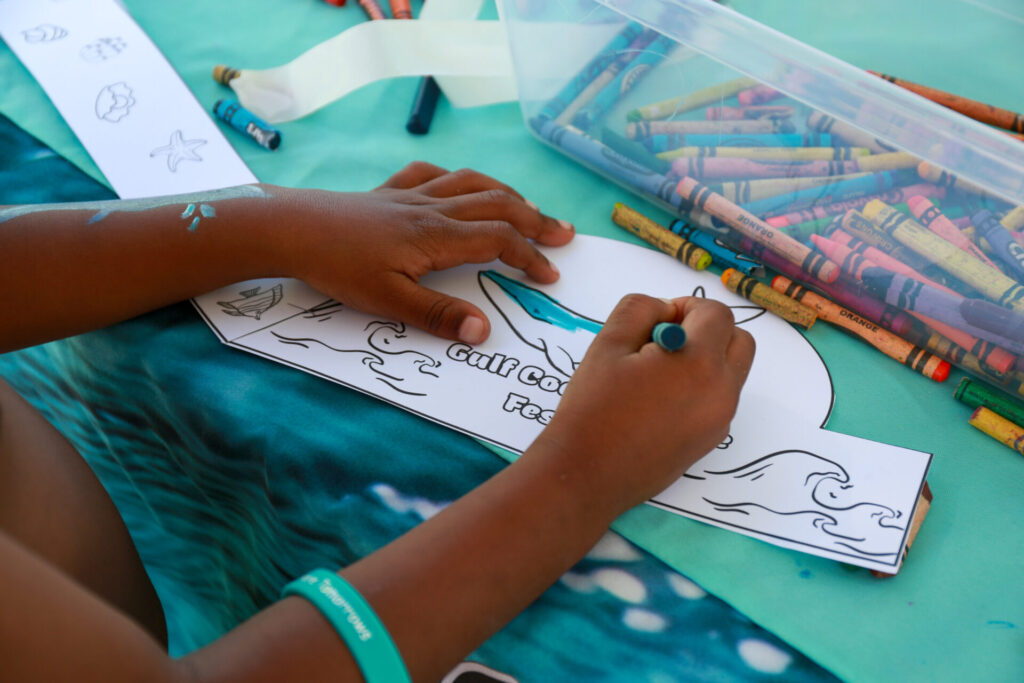
The kids had a big day. They played games, took environmental lessons, and even crawled through the inside of a 32 foot long inflatable Rice’s whale. A local puppet troupe—Birds of a Feather—led a parade with whale figures made by kids while a huge great blue heron puppet led the way.
One of my favorite moments was the “Whale Wonderful Pledge,” delivered by local Beach advocate Shelley Johnson. As she does each year, Shelley called kids of all ages to the front of the stage, where we each raised three fingers and pledged to be good stewards of the Gulf and its wonderful whales. The three fingers stand for three things we can do to help whales—“Be clean. Be smart. Be chatty.” That means to keep our air and water clean, to learn more about the whales, and to be “chatty”—to talk about whales to our friends and family.
There were some great new additions to this year’s festival. We had our first ever opening night event, as Laura Engleby, chair of the Rice’s Whale Collaborative Network Steering Committee, brought us an amazing presentation on the Rice’s whales that made us all feel connected to and part of their story..
Another addition was the Spicy Ricey Surf Contest (named after the Rice’s whale) which saw longboard surfers catching waves out on the nearby beach, riding ashore in the sunshine of an epic spring day. The event was founded by local surfers who attended last year’s Whale Festival and were so stoked (meaning excited for those not up on surfer lingo) that they wanted to do something to help whales. Event proceeds were generously donated to support the whale conservation work of Healthy Gulf in another big step forward for “whale culture.”
The Gulf Coast Whale Festival has many special friends to thank. There are our sponsors — NRDC, Earthjustice, Center for Biological Diversity, Sierra Club FL Chapter, and Natural Awakenings. We’re also grateful to our organizing partners — Navarre Beach Marine Science Station and the Navarre Beach Sea Turtle Conservation Center — who not only helped plan the festival, but also showed up in a big way onsite, leading outreach and education efforts throughout the event.
And of course there are the good people of the Gulf coast who turned out, some 2000 or so, who enjoyed a day at the beach while celebrating Gulf whales. They’re all part of a long term shift in awareness that is making whales part of our daily lives along the Gulf coast.
The “whale culture” is here.