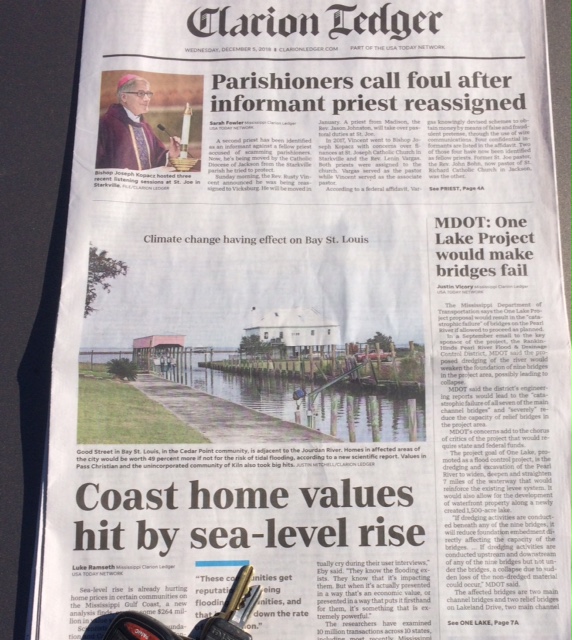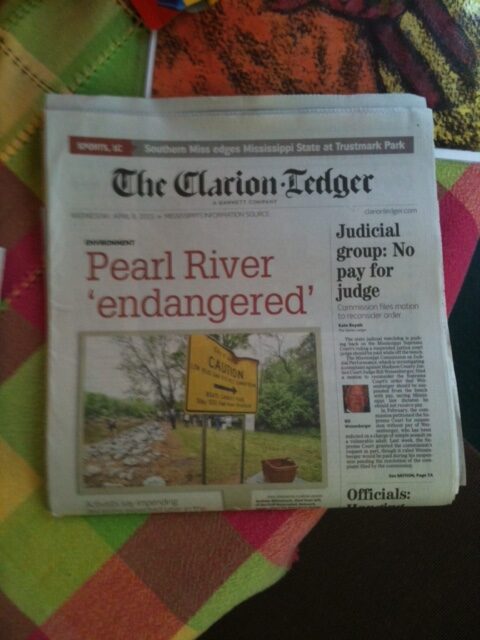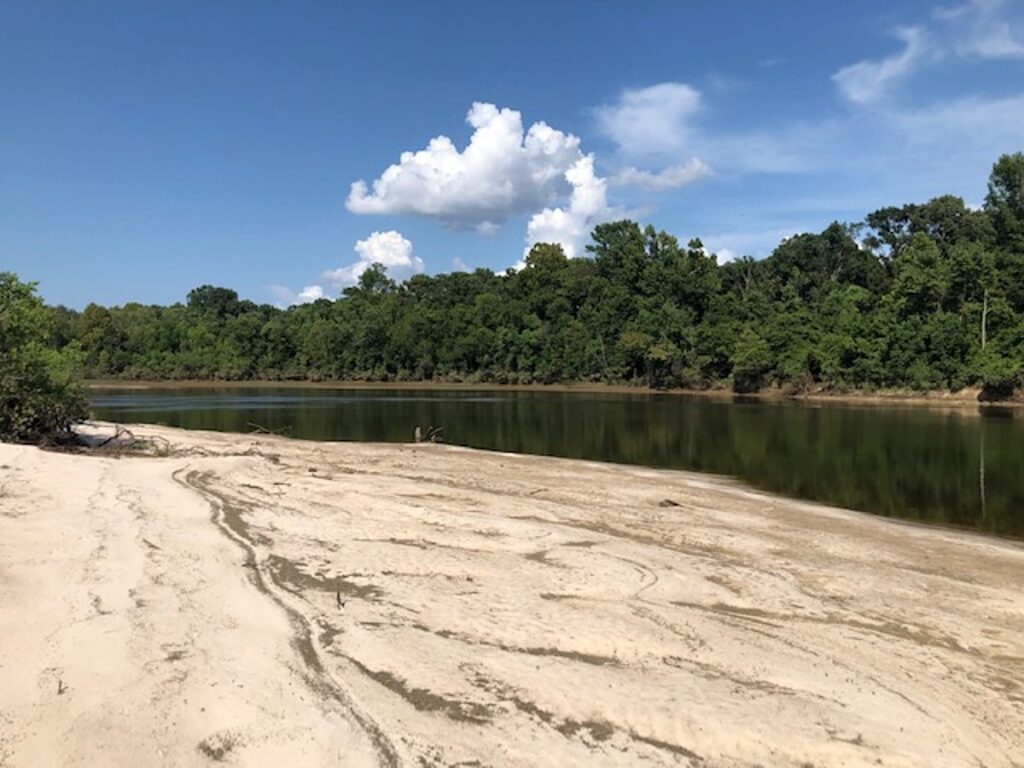
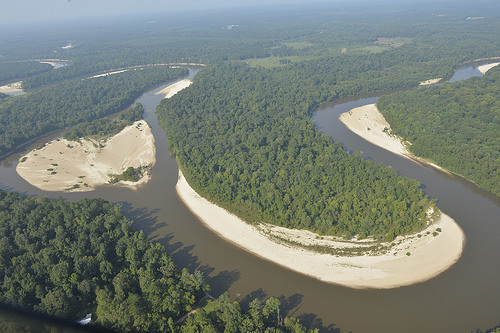
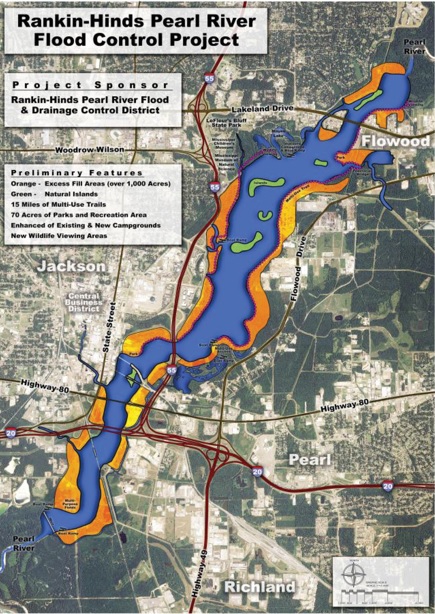
On Thursday February 26th the Rankin Hinds Pearl River Flood and Drainage Control District announced that the Army Assistant Secretary for Civil Works, Adam Telle, signed a memo on January 31st approving a combination of flood risk management Alternatives D-1 and E-1 from last summer’s draft Environmental Impact Statement. The project would widen the Pearl River through urban Jackson Mississippi with bank removal, and feature the construction of a weir to impound a lake.
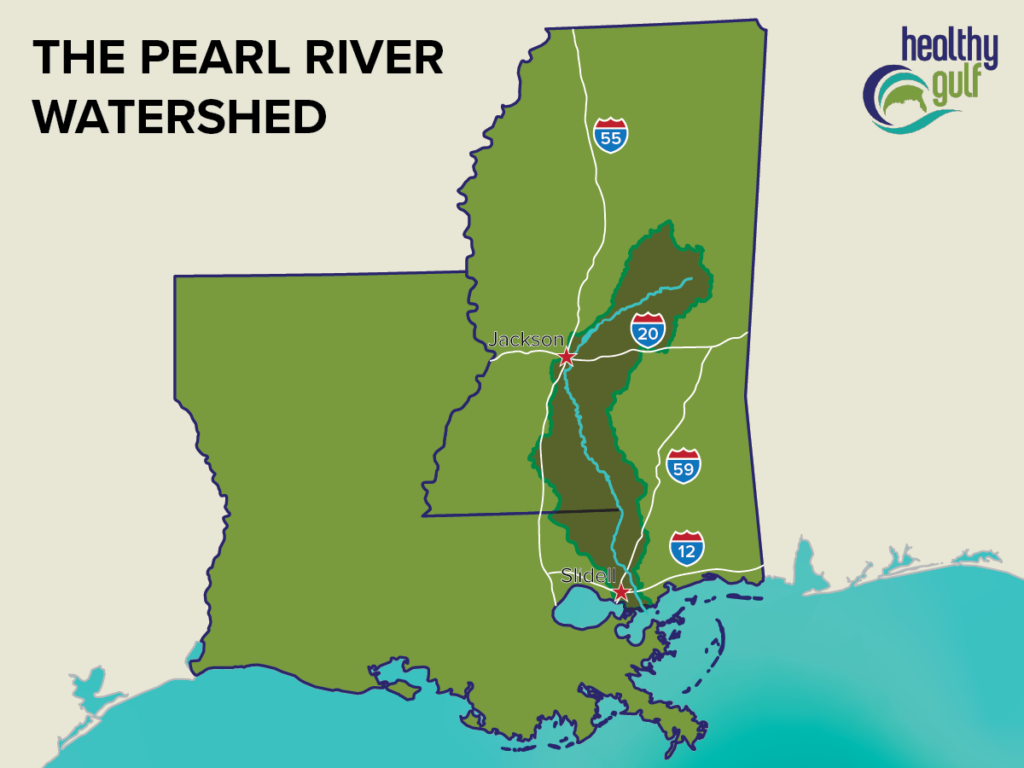
At this time there is no published Final Environmental Impact Statement (EIS) reflecting what Telle set forth in his January memo. The memo is available on the Vicksburg District’s website describing the Pearl River FRM project. The most recent public comment period for this project closed in August of 2025. The full title is Pearl River Flood Risk Management (FRM) project for Rankin and Hinds Counties, Mississippi. The plan authorized by Secretary Telle, is basically Alternative D-1 from August and allows the construction of a new weir or low-head dam near the Interstate 20 bridge over the Pearl River and includes the impoundment of a 1500- acre lake on the main channel of the Pearl River through urban Jackson, Mississippi. The project area is about 12 miles downstream of the 65- year old Ross Barnett Reservoir Dam. Alternative D-1 also requires that the river’s banks be dredged and scraped down to reduce their height, and that the riverbank soil and sand produced by the dredging be added to existing levees and deposited in disposal areas in the Pearl River floodplain to create wide-topped mounds that allow future water-front development.
The Corps of Engineers staff has stated that simply placing the spoil along the levees and in other disposal areas in the Pearl River floodplain does not constitute land creation because the Corps will not compact these soils or prepare them for development. That will be left to other agencies like the project’s non-federal sponsor, the Rankin Hinds Pearl River Flood and Drainage Control District. Nevertheless, the Corps’ own internal regulations ER-1102-2-100 that have governed the research and writing of this plan since 2013, discourage the creation of new land in floodplains during flood control projects.
A new dam and lake on the Pearl River will be disruptive to the Pearl River’s ecology and its native mussel, fish and turtle populations. The U.S. Fish and Wildlife Service named an earlier version of the lake alternative the “most environmentally damaging alternative” because it removes ten miles of habitat for the Gulf sturgeon and the Ringed sawback turtle, both protected by the federal Endangered Species Act. It also removes 66 acres of the well-used and loved LeFleur’s Bluff State Park – Mississippi’s only urban state park.
One alternative not chosen here, A-1, would have extended levees to three neighborhoods in northeast Jackson that flood most often and most severely when large volumes of water are released from the Ross Barnett Reservoir Dam. Telle’s memo has not been released but incorporates some elements of alternative, E-1, which would destroy bottomland hardwood forests along both sides of the Pearl River through Jackson. Alternatives D-1 and E-1 both build land in the floodplain by dredging river banks to reduce their height and then place the resulting dredge spoil material against levees and in disposal areas in the floodplain.
Both Alternatives E-1 and D-1 create new land in the floodplain despite the Corps’ regulations that would seem to discourage such practice. The lobbying and arm-twisting aimed at the Army Corps of Engineers over more than a decade have apparently made the Corps look the other way regarding certain sections of its regulation document ER-1102-2-100 that clearly discourages land building in flood control projects.
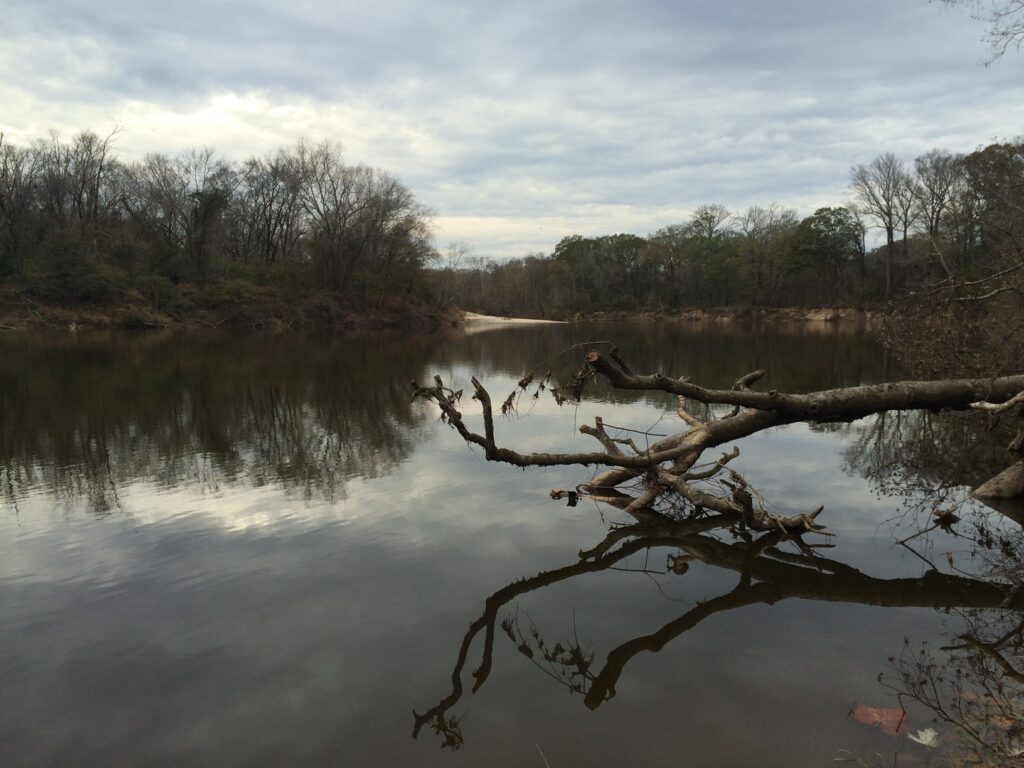
This bank dredging features of both Alternatives D-1 and E-1 will remove riparian hardwood forests and violate a George Bush era Executive Order 11990 that discourages the destruction of wetlands. Corps regulations dealing with E.O. 11990 provide some exceptions to prohibited development in floodplains, but the Pearl River FRM project does not fit within them.
This project has always been about economic development around a lake rather than flood control. A much more comprehensive levee plan was created by the Corps of Engineers in 1996, but Jackson’s leadership rejected levees. The non-federal sponsor Rankin Hinds Pearl River Flood and Drainage Control District is a levee board whose duty is to control flooding on the main stem of the Pearl River and on its tributaries. However, this two-county flood protection district has downplayed investment in flood control projects on the numerous urban creeks that flow into the Pearl River in Jackson and act as the gravity drainage system for the city. The flood control district has worked hard to avoid spending this project’s appropriated funds along the tributaries but has favored projects that spend money dredging the river’s banks, further damming the main channel of the Pearl River into a lake and building developable land to complement the lake – all in what is now a floodplain. The non-federal sponsor Rankin Hinds drainage district seems to support a lake plan as the most attractive alternative because it will produce revenue that allows the district to issue bonds and service bond debt. State-issued bonds will be needed to fulfill the portion of project costs that the non-federal sponsor or state of Mississippi must pay. The Pearl River channel where the lake will be built flows between Jackson and Flowood and both cities want the economic boost that they believe an urban lakefront development will bring. State legislators have recently discussed a casino as an anchor business for the lake development.
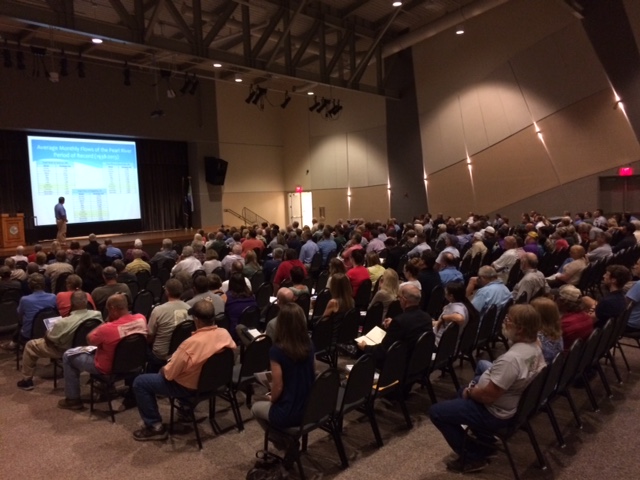
Thursday’s press conference did not feature any Army Corps officials as speakers and was hosted by the non-federal sponsor along with a collection of Jackson business interests. Speakers included Jake Windham the mayor of Pearl in Rankin County and John Horhn, mayor of Jackson in Hinds County. Also in attendance were members of the Pearl River Revitalization Coalition, a collection of business and chamber of commerce interests.