How New Orleans East’s Environmental Justice Block Party Is Challenging the NGO Status Quo
In a landscape dominated by deadlines—public comments, campaigns, and contractual deliverables—nonprofit organizations can lose sight of the intrinsic impact we are meant to deliver to the communities we serve. Too often, engagement becomes transactional. But a critical question remains:
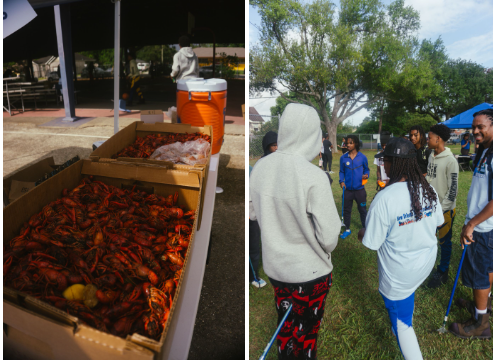
How do we expect residents to stand with us in serious environmental battles if we have yet to share a snowball or a plate of crawfish together?
On Saturday, April 18th, the New Orleans East Environmental Justice Beautification + Block Party offered a different model—one rooted in environmental stewardship, community investment, cultural connection, and sustained relationship-building.
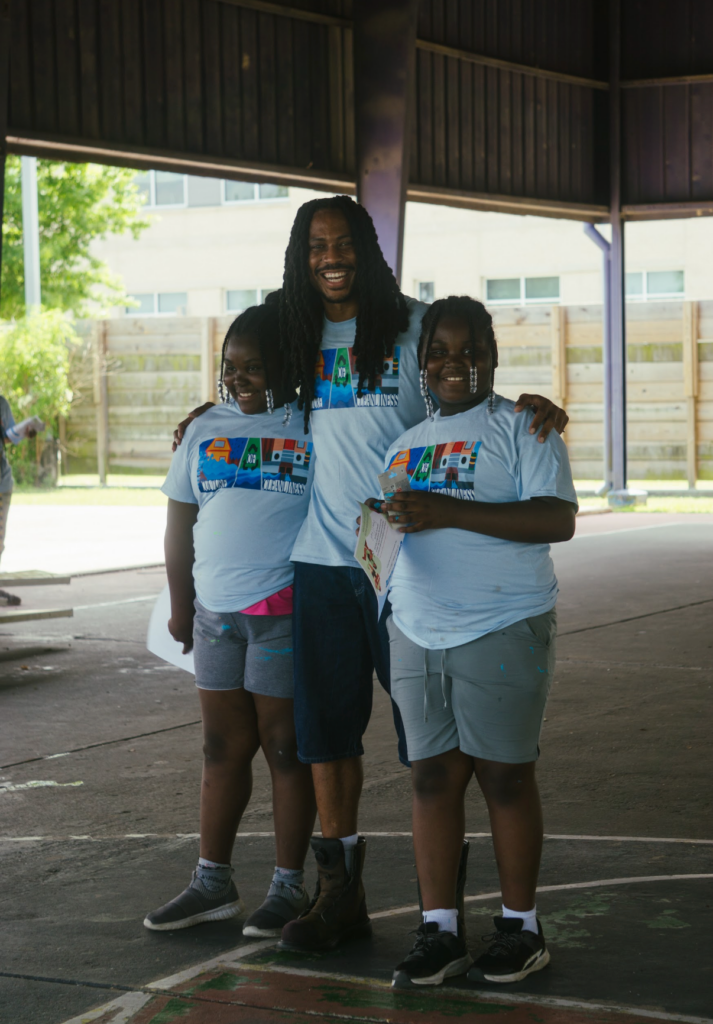
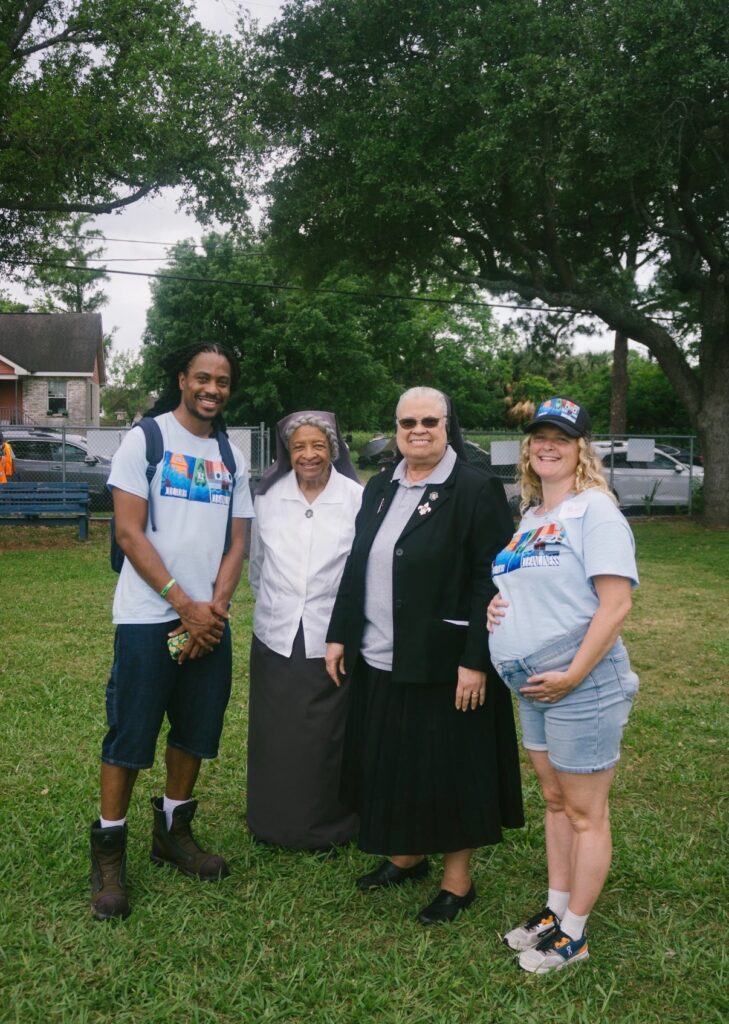
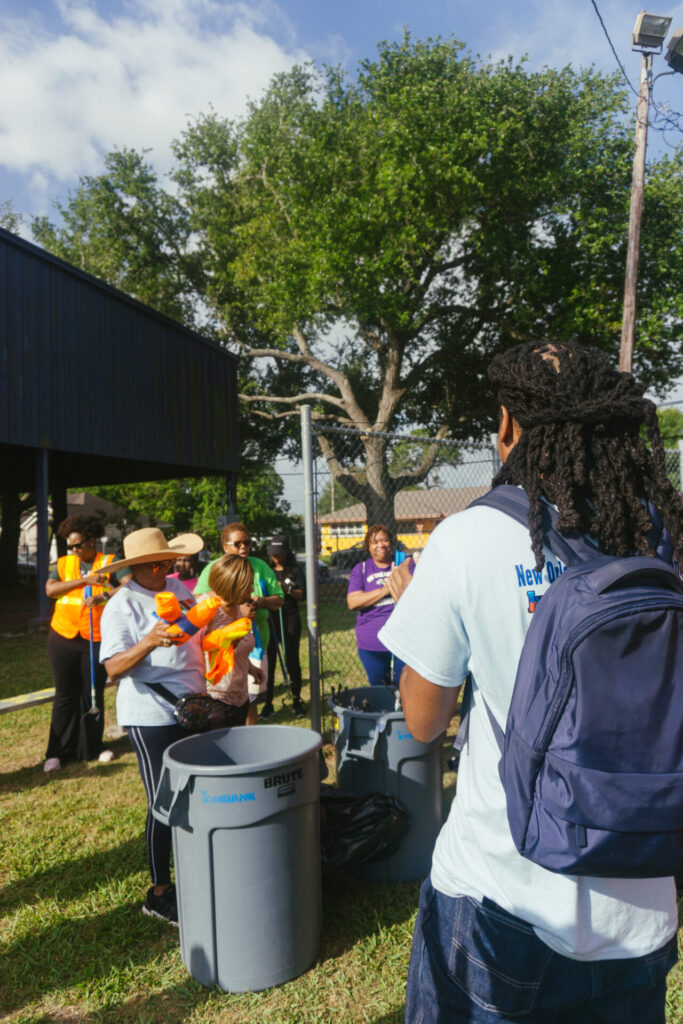
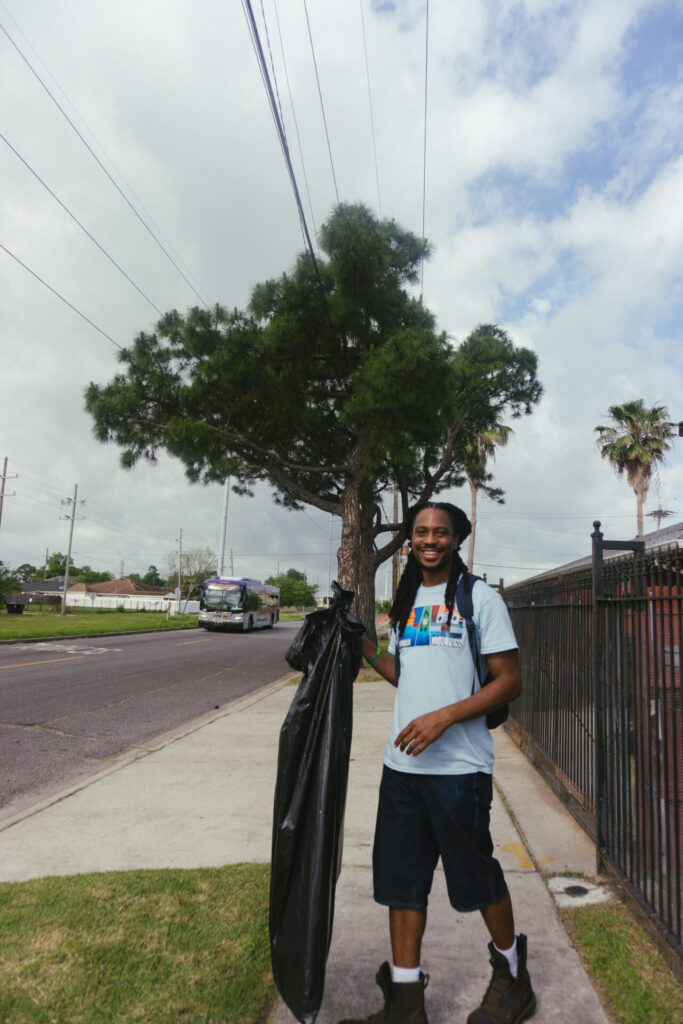
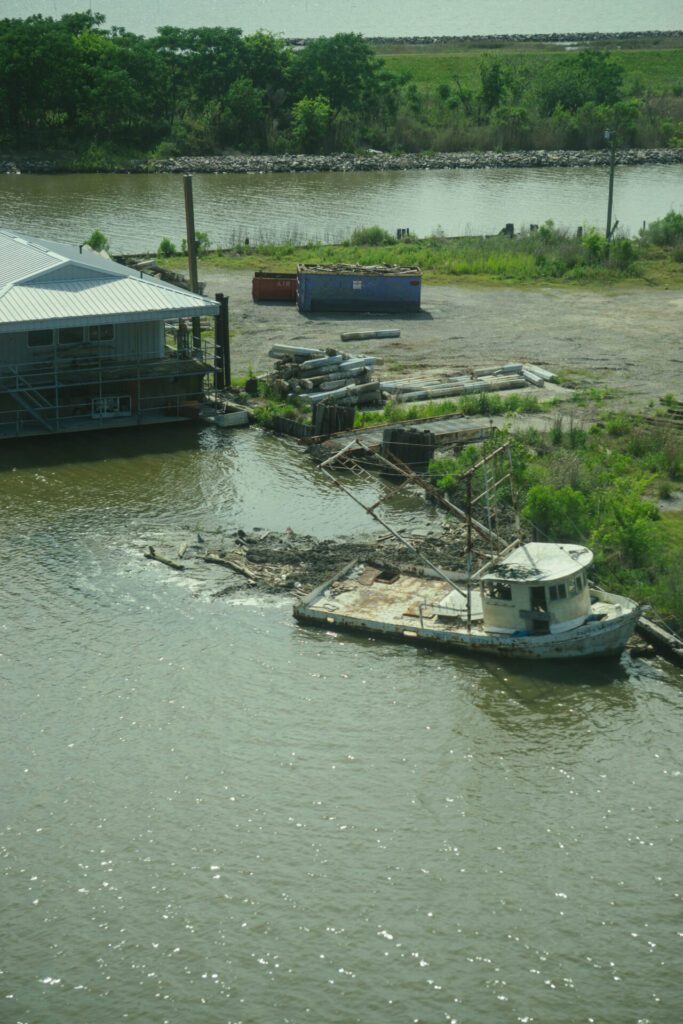
Led by Southeast Louisiana Organizer Gregory N. Swafford, the day began with community prayer and a locally sourced breakfast before mobilizing volunteers across Academy Park, Pines Village, Rosedale, and Melia—neighborhoods historically impacted by illegal dumping and infrastructure challenges in Louisiana. Throughout the morning, volunteers removed 55 contractor-grade bags of waste while engaging in green infrastructure maintenance – transforming a traditional cleanup into a hands-on learning environment focused on sustainability, drainage, and flood mitigation. These events engaged community members, supported five local businesses through direct spending, and distributed $2,200 in stipends to youth and community leaders, ensuring that both environmental and economic impact were embedded into the day’s work.
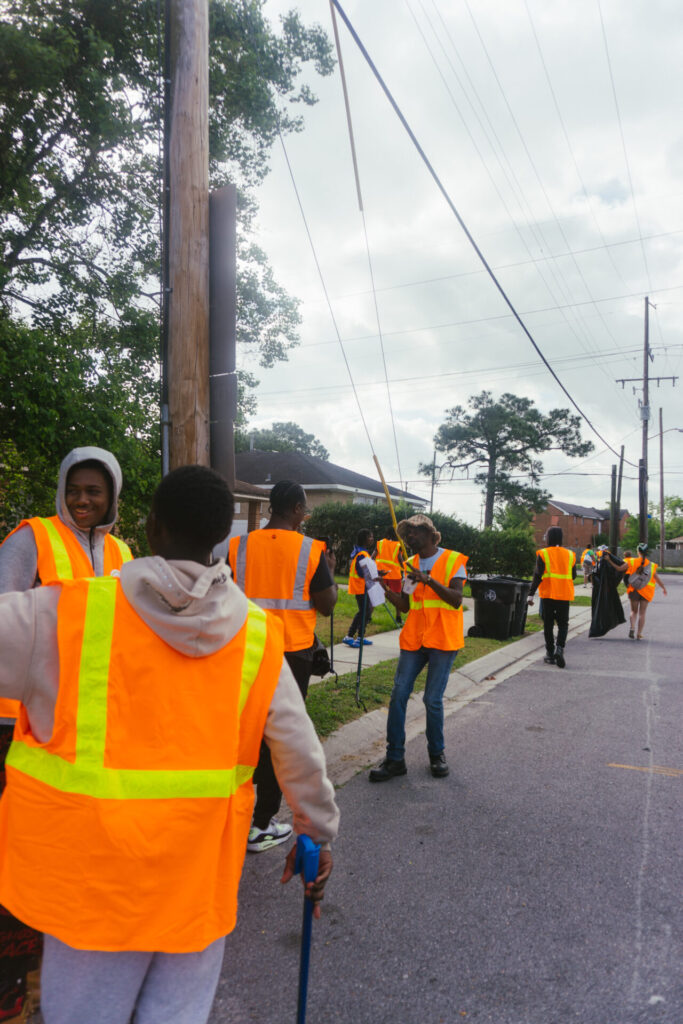
By mid-morning, the effort intentionally transitioned from service into celebration.
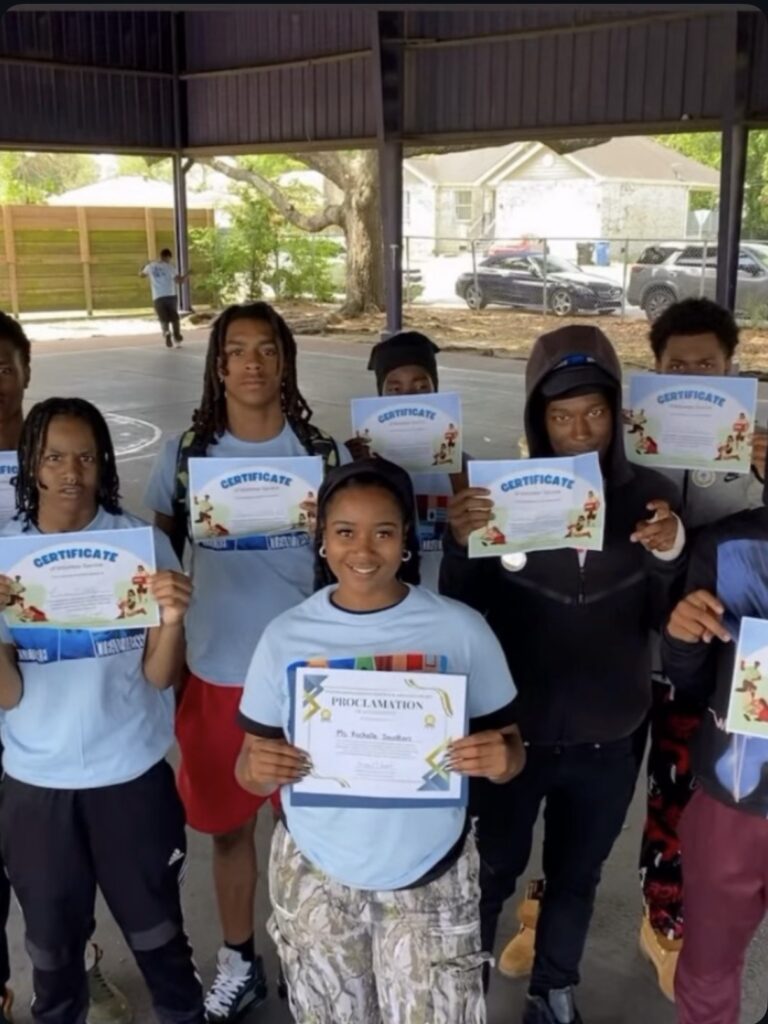
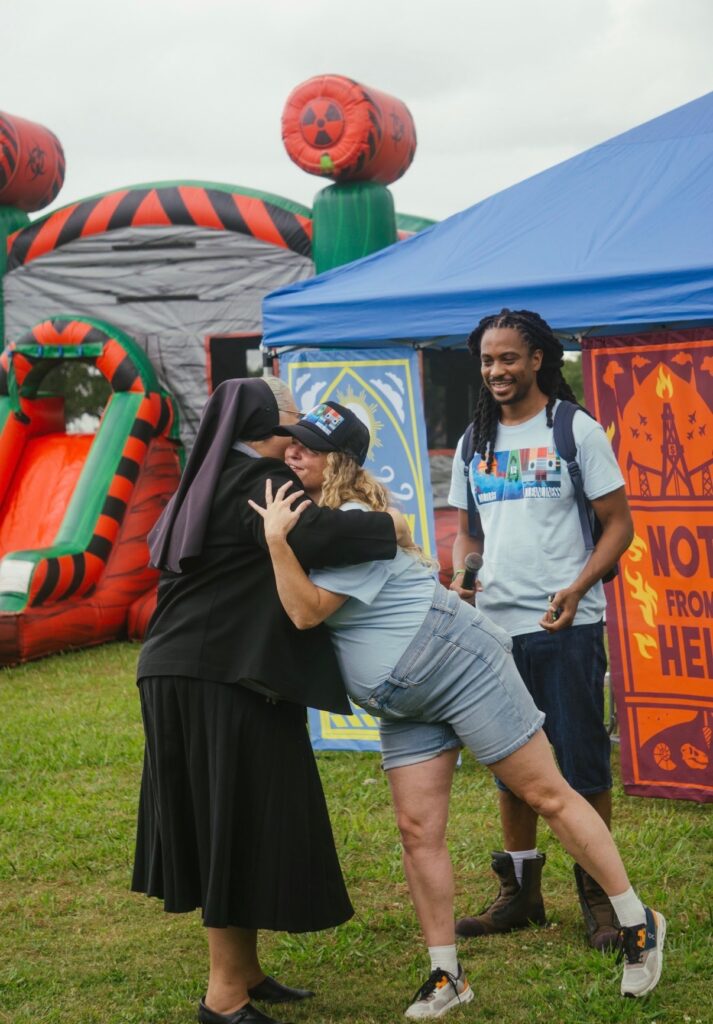
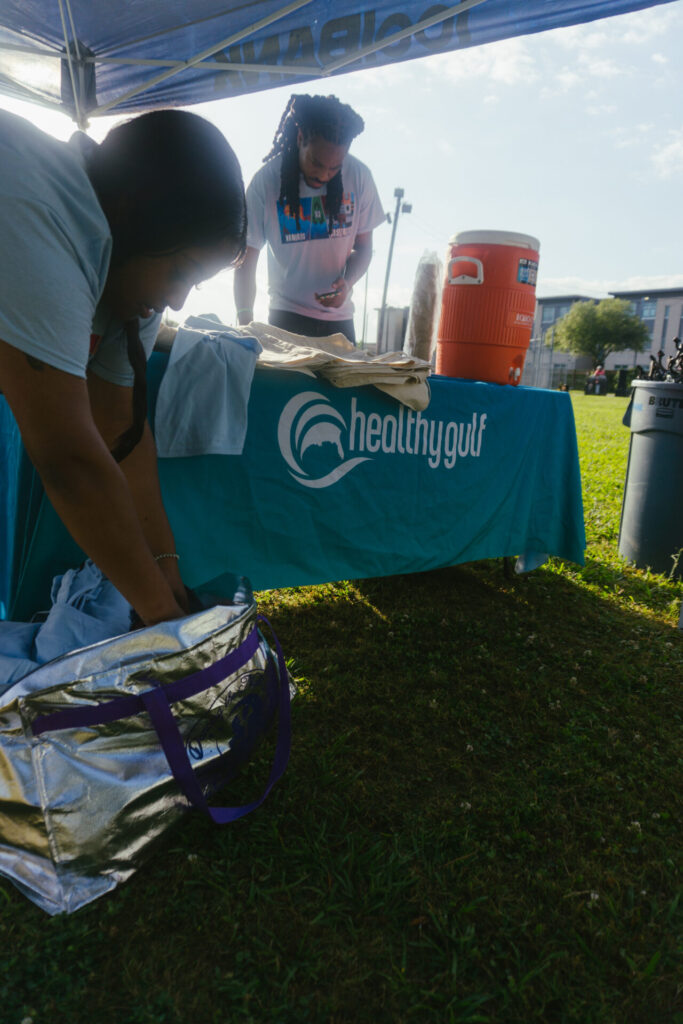
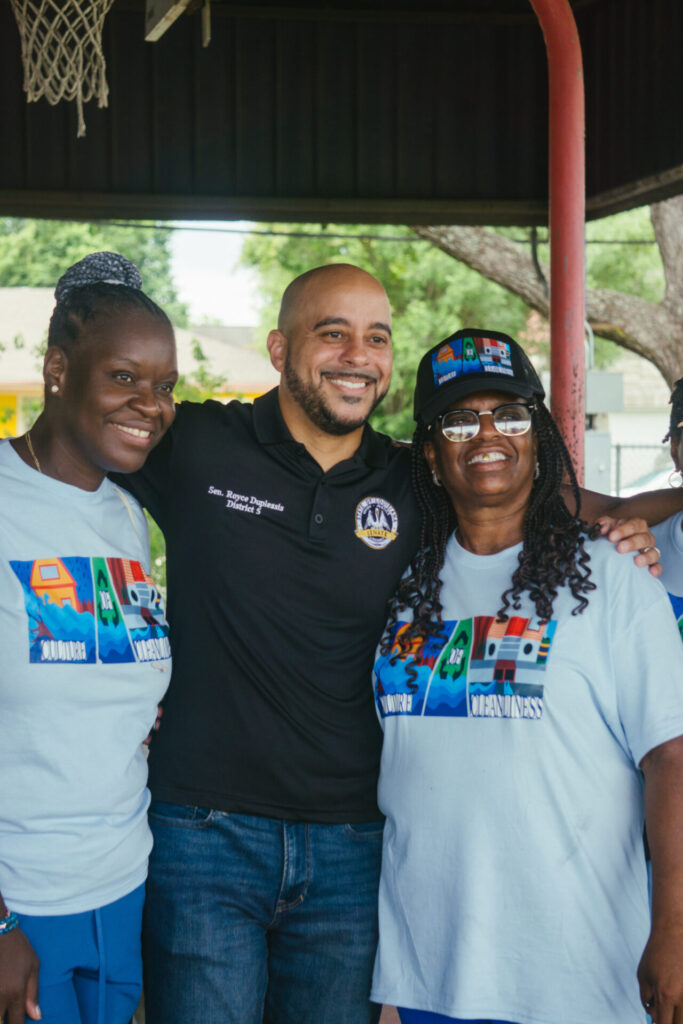
The block party that followed centered on joy, recognition, and ownership. Music, local vendors, and community programming elevated a shared space where residents could not only participate but belong. Twenty youth leaders received stipends in recognition of their service, reinforcing the value of investing directly into the next generation of environmental stewards. Longstanding community leaders were also honored, affirming that sustained local leadership is foundational to long-term environmental progress.
Importantly, the day did not stop at celebration.
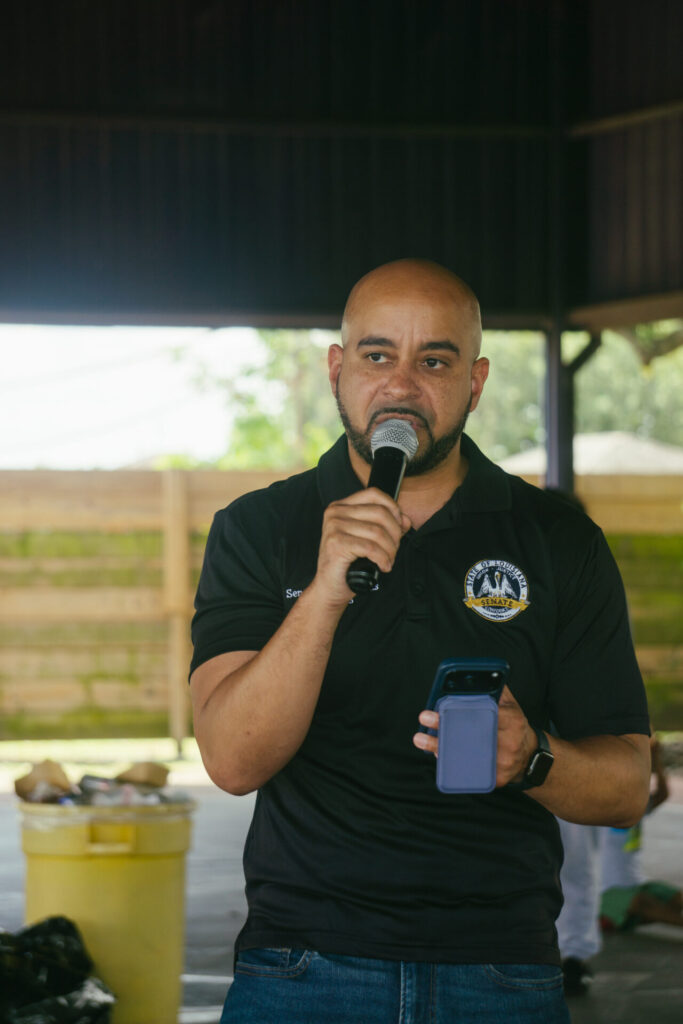
Educational speakers bridged policy and lived experience, offering insight into renewable energy access, environmental legislation, and infrastructure challenges facing the region. In doing so, the event created a rare environment where culture, community, and policy coexisted—ensuring participants were not only engaged, but informed and empowered.
This integrated approach to community building reflects a broader shift in how environmental justice work can, and should be done.
Rather than relying on one-off events or purely informational campaigns, this model prioritizes continuity and community over transactions. It recognizes that trust is not built through isolated actions, but through consistent, culturally grounded engagement that meets people where they are.
Reflecting on the significance of the event, Swafford emphasized its deeper purpose:“This was a day of celebration for the community—so many people have adoration for New Orleans East. I am making it my personal business to establish continuity with this celebration and not an evanescent day of action.”