AVEDA SALONS UNITE FOR A HEALTHY GULF
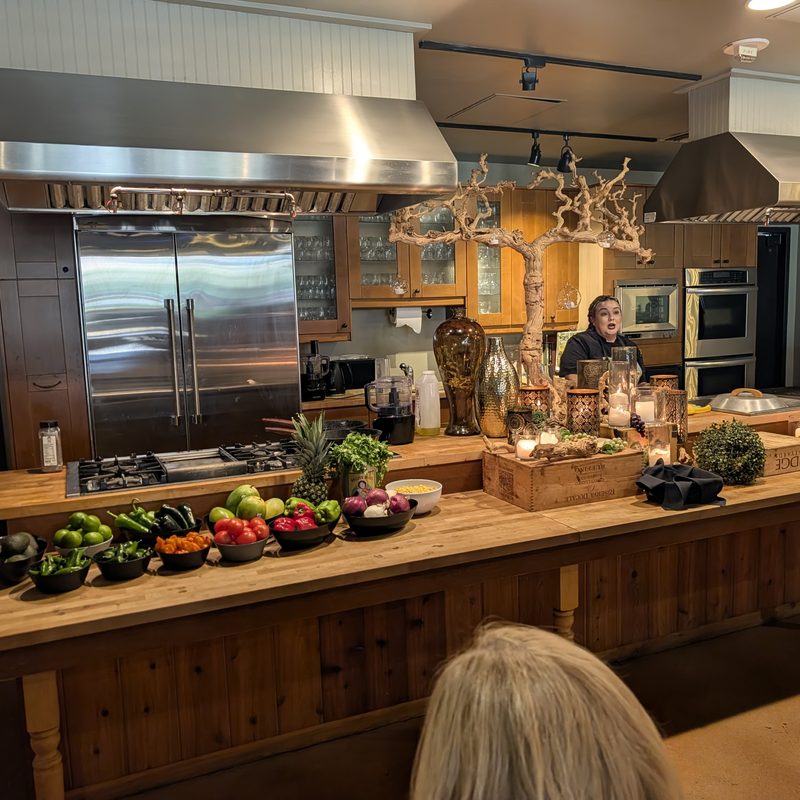
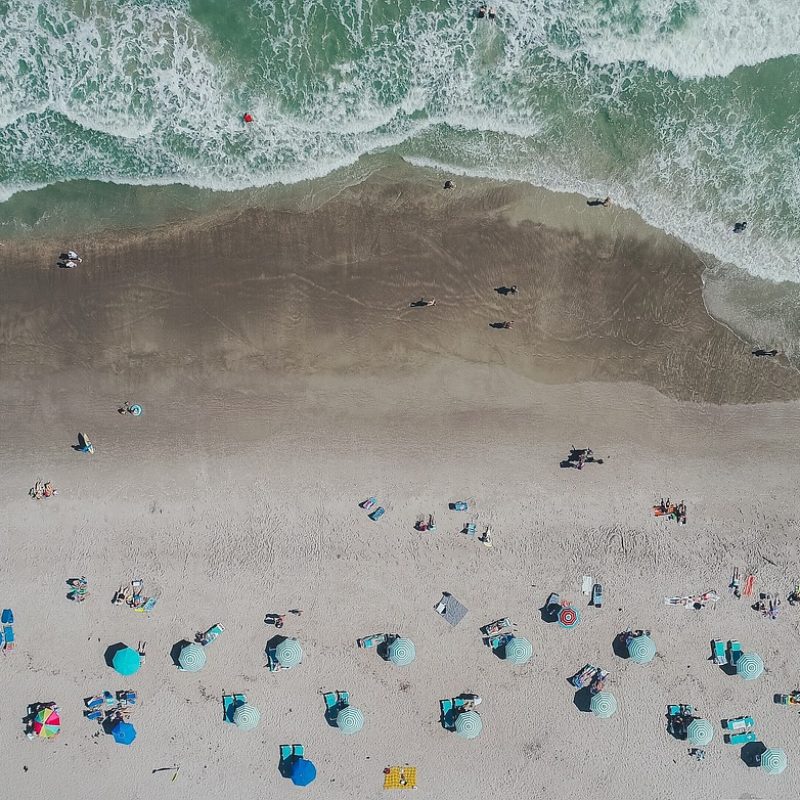
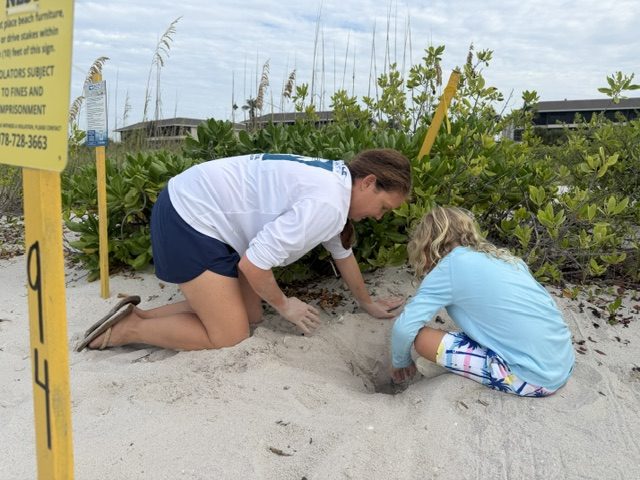
Throughout the month of April, Aveda salons across the Southeast have been busy raising money for the GRN. The funds raised will support our work to protect clean water. Please visit your local Aveda salon and thank them for their hard work and commitment to a healthy Gulf. These are just a few photos from the hundreds of events that were held across the region: Joe Murphy of the GRN joins staff from the Aveda Institute St. Petersburg, Florida for a beach clean up.
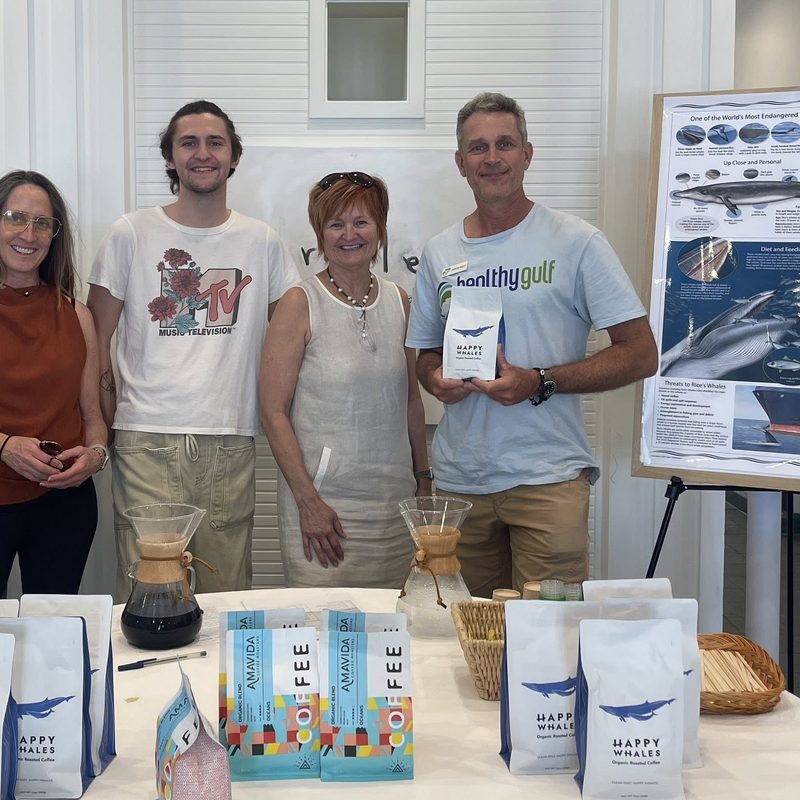
 Staff from the W. Daly Salon and Spa in Newman, Georgia donated their time for Cut-A-Thon. The event raised $2000 in just one day!  Jessica Netto of the GRN joins staff from the Avalon salon group in Dallas. Avalon salon held a crawfish boil and silent auction that raised over $5000 in one day!  Gary Lambert's Salon and Spa of Winter Park, Florida hosted a 'Brunch of Clean Water' and silent auction that raised over $6000 for the GRN.  Carol Lociano of Drew James Salon in Ft. Lauderdale, hosted a table at the Ft. Lauderdale Museum of Science and Discovery's Earth Day event. They gave out blue water beads to children who committed to saving water by turning off the faucet as they wash their hands or brush their teeth. This is the third year that Aveda distributors, the Neill Corporation and The Salon People and their salons have chosen the GRN as their Earth Month partner. We're honored that so many people are willing to donate their time and money for the GRN. Aveda is a unique company that not only talks about protecting our environment, but takes every step they can to live by their commitment. Thanks Aveda! Briana Kerstein is the Director of Organizational Development
HEADING TO JAZZFEST TODAY? LOOK UP!
Heading to Jazz Fest today? If you're there or in the neighborhood, keep an eye on the sky and check out our message to Shell, the sponsor of the event. We're going to have a plane flying a banner over the festivities, reading: Shell, hear the music. Fix the coast you broke!
 As you well know, Louisiana loses a football field worth of vital coastal wetlands every 45 minutes. Did you know that Shell takes in about $2.3 million in profit in the same amount of time? The current estimate of the cost to fix our coast and secure our communities is $50 billion, but taxpayers can't and shouldn't shoulder that burden alone. Coastal scientists estimate that oil companies have caused 40-60% of the coastal land loss Louisiana is experiencing, so we're asking them to be a part of the solution. While all the oil companies that have operated in the Louisiana coast have contributed to the problem, Shell has publicly expressed concern over the future of our coast, going so far as to help fund a public relations campaign to tell the rest of the country about our coastal crisis. Unfortunately, that PR effort fails to mention the oil companies' role in the devastating wetland loss we're experiencing. Louisiana needs a lot more than music right now, so help us tell Shell to put their money where their mouth is and fix the problem they played a part in creating: http://action.healthygulf.org/campaign.jsp?campaign_KEY=24446 We'll be outside the Sauvage Street Pedestrian Entrance Sunday morning as the Fest opens up, interviewing Fest goers about oil companies and their accountability for our coast for a documentary short we're putting together. Stop by and share your views with us and pick up some flyers and a free t-shirt to help spread the message. United for a Healthy Gulf, Aaron Aaron Viles is GRN's Campaign Director
MEMBER SPOTLIGHT: DOGWOOD ALLIANCE
The Dogwood Alliance, an amazing organization that works to hold corporations accountable for the impact of their industrial forestry practices on the forests and communities of the South, is launching a new campaign. Read more in the following blog post from Dogwood's Organizing Director, Eva Hernandez.
DOGWOOD KICKS OFF NEW CAMPAIGN AND WEBSITE
Check out the new campaign website: www.nofreerefills.org! Will you help us kick off the national Fast Food Packaging Campaign? The Southern US is the largest paper producing region in the world. Packaging is the #1 paper product from our forests, led by the fast food industry. Will you send a message to the fast food CEO's having the biggest impact on our forests? Click here to send your message. While you're there you can let the CEO's know that they should a) use more post-consumer recycled paper; b) use less; and c) stop using paper for packaging from endangered forests.
We have been on the road the last couple of weeks holding press conferences and community meetings to let kickoff the campaign. We've met some great people, gotten some good media, taken some great photos and videos, and worked with awesome volunteers. No matter where we are, one thing always rings true-Southern forests are too important to be wasted for fast food packaging.
You can tell the biggest Fast Food chains to stop buying their packaging from Southern forests. We identified the top offenders and they are... Taco Bell, KFC, Long John Silvers, Pizza Hut, A&W, McDonalds, Wendy's, Quiznos, Jack in the Box, and Bojangles.
Tell the 11 Fast Food Junky CEO's to stop trashing Southern forests for chicken buckets, burger boxes and to-go containers.
Click here to send your message today!
While you're there you can check out the new website and find more info about the campaign, including a downloadable report linking the top offenders to Southern forest destruction at www.nofreerefills.org.
Why fast food? Because Southern forests are too important to be wasted for fast food packaging.
· Fast Food Chains are buying packaging from Southern forests · 15% of landfill waste is fast food packaging · The average American throws out 300 lbs. of packaging waste every year Our fast food lifestyle is burying us in an avalanche of excessive packaging and waste. Every year millions of pounds of food packaging waste litter our roadways, clog our landfills and spoil our quality of life.
Southern forests, the jewel of the American landscape, are being destroyed to bring you fried chicken, burgers and fries, and super-sized convenience in a glut of wrappers, boxes and cups. Simple choices and creative solutions can reduce the excess and destruction while still allowing us to enjoy the level of convenience we have come to expect.
Join Dogwood Alliance in challenging corporations to change their habits. Our forests are too important to be wasted for disposable packaging. With nearly 100 paper packaging mills in the South, the packaging decisions of these corporations have a tremendous impact on our forests.
Take action today!
http://www.democracyinaction.org/da/campaign.jsp?campaign_KEY=24343&t=nofreerefillsAction.dwt
For the forests,
Eva Hernandez Organizing Director Dogwood Alliance
ADVENTURES IN VICKSBURG: DUMPING THE PUMPS
On Thursday, April 17 we loaded fourteen of us into a van and a car and drove up to Vicksburg for a hearing on the Yazoo Pumps project. Vicksburg is a 3.5 hour drive from New Orleans, so we were prepared for a long day, though I don’t think any of us expected it to be as long as it was. The public hearing started at 7pm at the Vicksburg Convention Center. As our group sat down, one of our members was tapped on the shoulder by a pumps proponent and told that she wasn’t welcome at the hearing and should leave! It’s that kind of attempted intimidation by proponents that has kept more locals from speaking out against this project. The EPA kicked off the hearing with a brief presentation on why the Yazoo Pumps project is so damaging, followed by a representative from the Corps who tried to convince everyone the project is sound by using some fuzzy logic. Then it was on to the elected officials. Governor Haley Barbour’s representative made a comment that people from outside of the Delta region should not be influencing the process because locals wanted the project built. However, if the project were built, those of us living downstream would have to deal with the impacts of losing wetlands that store flood waters and filter water pollutants such as fertilizer and pesticides. It’s also troubling to hear that Mr. Barbour believes that outsiders should not have a say on a in this project given that Mississippi politicians lobbied to get the entire cost of the project paid for by federal taxpayers. The best part of the hearing was the great diversity of people opposed to the pumps. By my count, 34 people testified in opposition to the pumps, including students, scientists, social justice groups, representatives from hunting and fishing groups, environmental groups, land trusts, and many local citizens who understand that what the Delta needs is better education, infrastructure, and health care, not a pork project that will only benefit a small number of landowners. Attending the hearing was well worth the long drive we had back home, arriving in New Orleans well after 3 am. The Yazoo Pumps is one of the most wasteful, environmentally destructive taxpayer-funded projects ever conceived. Former Secretary of the Interior Bruce Babbitt called it the "most cockamamie" project that he had ever heard of. A retired head of the EPA wetlands division recently said, “over my 24 years at the EPA, I never reviewed a project that would do more damage than the Yazoo Pumps project.” There are various estimates of how many acres of wetlands the project would drain which range from 67,000 to over 200,000. No matter which estimate you believe, the destruction would be massive. Now it’s your turn. If you haven’t sent a comment to the EPA in support of a veto, please do so now by clicking here. Help us achieve what could be one of the most pro-environment decisions to come out of EPA in a long time. Dump the Pumps! Jeff Grimes is Assistant Director of Water Resources for the Gulf Restoration Network
Labels: Army Corps Reform, Wetlands, Yazoo pumps
MISSISSIPPI RESIDENTS TAKE STAND AGAINST SALT DOMES PROJECT
I just got back from a public hearing on the Richton Salt Domes project on April 10, and the turnout was incredible. Somewhere between 250 and 300 Mississippi coast residents turned out to speak out against this destructive pork project. There were landowners, fishermen, industrialists, scientists, environmentalists, and many more people who wouldn’t fit into any category, but are concerned with the proposed project nonetheless. In early 2007, the DOE made final its plans to store 160 million barrels of oil in Richton, an amount equivalent to roughly two weeks of U.S. oil consumption. In order to create a storage cavern, the DOE would hollow-out salt domes by dissolving them with fifty million gallons a day of fresh water from the Pascagoula River. The hyper-saline solution would then be discharged four miles south of Horn Island in the Mississippi Gulf, creating a dead zone where most sea life could not survive the low-oxygen, salty conditions. In addition, the project would rely upon 330 miles of pipeline to transport oil, water, and brine, and the DOE’s acknowledges that there will be numerous spills. Their own projections predict that there would be 56 brine spills that could harm the Pascagoula River, its tributaries, and connected wetlands. There were a number of great speakers who gave public comments, though, for me, the most inspiring speaker on Thursday night was an 80 year-old retired school teacher from Biloxi who skipped celebrating her birthday because she said the public hearing was more important. There was not a single person there who spoke in favor of the salt domes project. After the impressive turnout, I hope the DOE and the politicians such as Governor Barbour who have pushed this project are starting to get the message. This movement to save the Pascagoula is only growing. You can check out some photos the Sun Herald took here. Jeff Grimes is Assistant Director of Water Resources.
ARE WE BEING FOSSIL FOOLED?
On April 1st Tulane’s Environmental Action League joined thousands of people around the world in a day of protest against the fossil fuel industry. Fossil Fools Day, organized by the Energy Action Coalition and a number of other international environmental groups, boasted protests, acts of civil disobedience, green job rallies, and a ton of media hits.
In comparison to the people that blockaded the entrance to the Citibank Headquarters in New York, our event was relatively low-key (and incarceration free). We organized a photo petition to protest Entergy’s proposed Little Gypsy refitting, a project that will convert a natural gas-burning plant to a coal and petroleum-coke burning plant. Our petition focused on Entergy CEO J. Wayne Leonard’s comment regarding global warming that “Mankind is headed toward a crisis of Biblical proportions.” People passing by our table on campus could pose with his handsome mug, telling Leonard to “stop talking out both sides of your mouth” and not refit Little Gypsy. Of those that dared to approach and find out why we had a man’s face plastered to a wall, the majority were shocked to hear about the refitting. The general consensus was that coal is a fuel of the past and something that we should be moving away from, not toward. Not many people in Louisiana expect to hear glowing stories of green, clean energy, but for a state that’s on the front lines of global warming, a switch to coal seems like a bit much this late in the game. The potential consequences of the refitting (increased greenhouse gas emissions, more mercury in our waters, and a hefty price tag that the rate payers will probably be saddled with), made most people eager to snap a photo with the Entergy CEO. Overall, the event was a success, and we got a lot of great pictures to send to Mr. Leonard.
The majority of the people we talked to were students. It seems fitting that my generation have a loud voice in current energy choices. While everyone will suffer from the most immediate impacts of coal burning, such as air and water pollution and the potential financial repercussions of a carbon tax, it will be us and our children that will bear the brunt of the consequences of fossil foolery. Laney White is a Tulane Junior and a GRN intern working on Global Warming
SUCCESSFUL CYPRESS ACTION AT THE LOWE'S CORPORATE HEAQDQUARTERS
A quick update from Charlotte, NC for everyone. Yesterday, about 20 activists and I demonstrated outside the Lowe's Corporate Headquarters with banners and fliers calling on Lowe's to live up to their corporate environmental policies by no longer selling unsustainable cypress mulch. We wanted to make sure Lowe's employees knew about the destruction their company is causing and feel the pressure to stop! And we decided to have a little fun with it too by bringing along all the fixins for a crawfish boil (crawfish and crawfishermen love the cypress swamps). It was a great success. Check out more photos on flickr. Thanks to everyone who came out to Save Our Cypress!
There were newspaper folks, cops, Lowe's security, and lots of Lowe's employees (unfortunately no one took us up on our offer for free crawfish). The HQ is a giant compound complete with guard booth and all, so we were situated at the end of the driveway (on public property) so that everyone leaving work from Lowe's could see us. We handed out hundreds of fliers and you couldn't miss our banners. The message was clear- Lowe's is violating its own corporate rulebook by continuing to sell unsustainable cypress mulch. All those buildings on the horizon are the compound! Look at the cars who can't ignore us.
A small group of us attempted to peacefully enter the compound in order to deliver thousands of petition postcards to Lowe's. Despite representing thousands of people, from radical students to suburban gardeners, we were turned away at the gate. I'm determined to deliver them before I go home though! You can help get the message directly to Lowe's by picking up your phone and making a call right now. The phone number and talking points are available at http://action.healthygulf.org/petition.jsp?petition_KEY=490.
Many thanks to Josh and his huge crew from Guilford University for making the drive. Thanks to John and the UNC-Charlotte Earth Club for everything (including housing me for the last couple days).And much appreciation to Shannon for all the great photos!
 Dan Favre is the Campaign Organizer for the Gulf Restoration Network, a proud member of the Save Our Cypress Coalition.
LOOK! UP IN THE AIR! IT'S GRN & SOUTHWINGS OVER THE NATURE COAST!
Ok….I admit it. I’m the world’s most reluctant flyer. I’m a man of the earth and the rivers. I leave the sky to the birds. I usually find a reason to drive across the great state I call home, and across the Gulf region for meetings and gatherings. My GRN compatriots are well aware of my reluctance to enter the big metal tubes that shoot across the sky that fly from one uncomfortable airport to another.
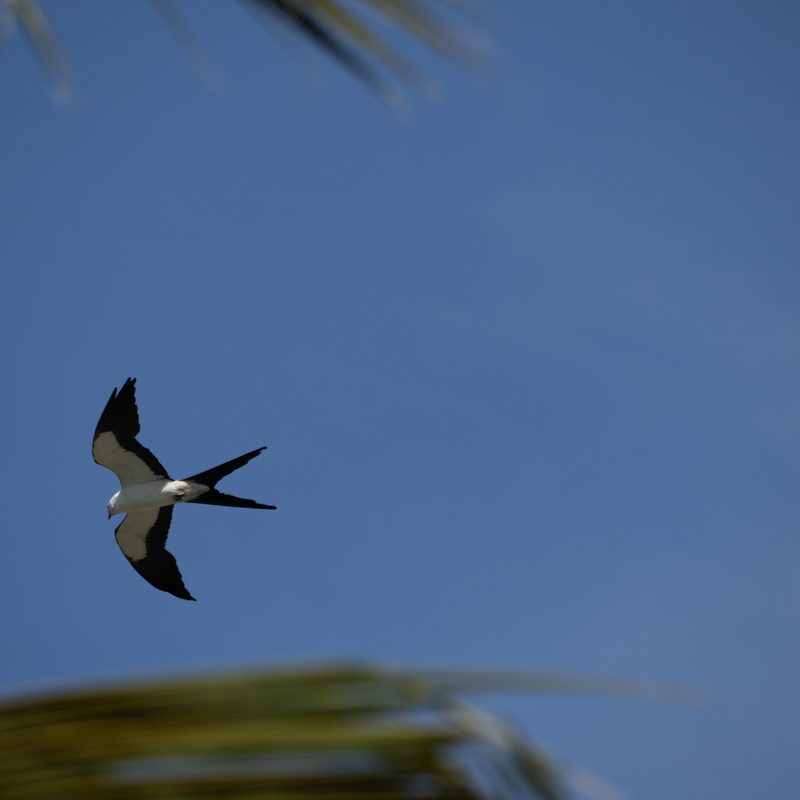
With that said, I was intrigued when Southwings offered to take me up over the Nature Coast of Florida to see some the wild and special sections of the region. Protecting Florida’s Nature Coast is one of the top priorities for the GRN. Having the view of the swallow tail kite or the osprey seemed invaluable. With great reluctance, and not a little fear, I agreed to go up with Southwings and put flight to our conservation agenda.
I met Caroline Douglas and Hume Davenport of Southwings at the Gainesville Airport on a crisp, clear day. A good day for flying if there is such a thing. I got to the airport earlier and learned that pilots like to tell a lot of jokes about crashing planes, particularly to folks like me who clearly were out of their element.
Not only am I not the most eager flyer, I’m also not the smallest guy in the world so I was not looking forward to 3-4 hours in a small plane. Caroline and Hume did a great job putting me at ease, and as we pulled out the maps and started charting our trip I began to feel a little excitement as it displaced the raw terror of leaving the earth and challenging gravity.
As soon as we zoomed into the sky I was a new man. I have never seen Florida from a small plane flying at a low altitude. It was transcendent. Now I know why people love to fly small planes. Seeing the braided rivers, the vast coastal plains, the pine and cypress, and the transitions from upland to coast all at once in one visual moment was incredible. There is true magic where the land meets the sea. To see it from the air……truly uplifting.
We flew from the Hernando/Citrus region all the way to St. Marks National Wildlife Refuge. We saw the best and the worst of the Nature Coast. The vastness and the shear wilderness along that coast is truly magnificent. The threats are daunting, but the opportunities for conservation and restoration are incredible. Seeing it all from a small plane is truly an effective way to see the story unfold below you.
We saw loggers clear cutting cypress for mulch below us. We saw the stagnant and polluted pools of effluent leaving the Buckeye pulp and paper mill as the Fenholloway River suffered through another day of slow death below us. And yet we saw miles and miles of endless and undeveloped coastlines, and thousands of acres of wild places still untouched and pristine. Tragedy and hope laid out in a vast mosaic below us in every direction.
I’m not rushing to the airport anytime soon, but I will gladly fly with Southwings again and we are honored to have them as a partner in our efforts to protect Florida’s Nature Coast. I look up to the sky and envy the swallow tail kite and the osprey, and know now why they float majestically across a sun swept sky.
Stay tuned for more blogs and updates about future and upcoming adventures of GRN as we take to the ground, the rivers, and now the sky to protect and preserve one of Florida’s last great frontiers.
Joe Murphy is the Florida Program Coordinator for the Gulf Restoration Network.
TEXAS PROTECTS POGIES PERHAPS?
Unless you're a frequent reader of this blog, or read about pogies in this recent coverage or editorial on the issue in the Galveston Daily News, you've probably never heard of menhaden, but this small, oily fish is one of the most critical components of the Gulf's marine foodweb. Some call them shad, or pogies, and if you're a fisherman you've probably called them bait.
Whatever the name, menhaden school in huge numbers in Gulf coastal waters, filter feeding on algae and providing food for brown pelicans, dolphins, sharks, red drum and lots of other marine wildlife.
Gulf menhaden is also big business for two companies. Omega Protein and Daybrook Inc. spot the schools of menhaden with planes, and send their boats to encircle entire, massive schools with purse seines - catching the menhaden and whatever is feeding on the school.
Despite the huge volume of menhaden coming out of the water, that billion pounds doesn't really turn into much economic activity. Omega had gross revenues of only $157 million in 2007 from their roughly 750 million pounds of our common resource.
Meanwhile, the industry hides behind a relatively low estimate of bycatch PERCENTAGE of one percent. Of course one percent of one billion is still ten million pounds of gulf marine life that's being wasted. Basically everything that eats menhaden could be getting caught up with the pogies: red drum, specks, tarpon, tuna, swordfish, and all the non-game species, brown pelican, dolphin, sea turtles, etc.
One marine scientist estimates the menhaden fleet catches close to one million sharks a year! Check out this article on shark bycatch which hints at the trouble this industry could be causing. In addition, every shark population in the Gulf is currently overfished, such as black tips and spinners, and one species, dusky, is a candidate species of the endangered species act.
Gulf menhaden is the second largest fishery by weight in the country, and unbelievably, operates without any catch limits - whatever the planes can spot, and the boats can catch within their 6 month season, will be turned into chicken feed and a host of other industrial products.
As a comparison, the largest fishery by weight in the country, Alaskan pollock, has its own federal law that lays out all sorts of controls, the North Pacific Council sets an annual catch limit based on an annual stock assessment, pretty much the entire fleet caries observers on board to watch the industry's bycatch, and they can't use airplanes.
TOMORROW, Texas is considering a catch limit for this fleet. Please take a moment and tell the Texas Parks and Wildlife Commission 'good job,' and ask them to take a few more steps to save the bait. http://action.healthygulf.org/campaign.jsp?campaign_KEY=23018
Aaron Viles is GRN's Campaign Director
WORKING TO MAKE THE CORPS MORE ACCOUNTABLE
Since its creation in 1775, the U.S. Army Corps of Engineers has constructed 11,000 miles of navigation channels, built 8,500 miles of levees and floodwalls, raised 500 dams, and deepened more than 140 ports and harbors. As is the case for most Americans, my very life depends on the abilities of the Corps. In a recent editorial in The New York Times, Alex Prud’homme wrote about how over a year ago the Corps admitted that 122 levees around the country are at risk of failure. Prud’homme says, “These levees were designed poorly and built of whatever material was close at hand — clay, soft soil, sand mixed with seashells. Tree roots, shifting stones and rodents weaken them further. The land the berms are built on often subsides, while the waters they restrain constantly probe for weak spots.” That’s exactly what happened in New Orleans, where the commander of the Corps admitted a “design failure” led to the breach of the 17th Street Canal. Still vulnerable to a heavy rain, we are all more than eager to support measures to repair these levees as quickly and safely as possible. To accommodate the urgency of our situation, federal, state and local agencies have created an alternative process to the normal NEPA (National Environmental Policy Act). Unfortunately, these alternatives to the law that requires federal agencies to study the environmental effects of their actions through an interdisciplinary environmental planning process are not all New Orleans needs. To repair these levees, the city requires enough dirt to fill 20 Superdomes (for those of you not familiar with the Saints’ home—that’s 30,590 Olympic-size pools of clay)! One GRN member at the recent New Orleans Home and Garden Show suggested that the Corps go into the Dome after a monster truck rally and get the dirt. Unfortunately, it does not appear as if the Corps has any connections with the Monster Truck circuit, and is instead, entering devastated communities like St. Bernard Parish to dig 20-foot deep “borrow” pits. A St. Bernard resident asked that the Corps devise an alternative that does not call for “cannibalizing the very land the levees are to protect.” At the Gulf Restoration Network, we are working very hard to ensure that neither sound science nor real public participation are sacrificed within this process. Matt Rota, Director of our Water Resources Program, has endured countless Corps’ meetings, while other staff and interns have tracked the process extensively. Yesterday, along with other environmental group representatives, we spoke with Horst Greczmiel, the Associate Director for NEPA Oversight from the White House’s Council on Environmental Quality about some of our concerns. Today, at 4:30 pm, we will meet with Mr. Greczmiel and representatives from the Corps at the USACE New Orleans district headquarters at 7400 Leake Avenue. This meeting is open to the public, so although this is short notice, we ask that GRN members attend and participate. We are dedicated to protecting our best natural storm defenses—our wetlands—and will seek a commitment that neither the Corps nor contractors hired by the Corps will enter wetlands for borrow. We represent concerned citizens of the Gulf Coast and will work to ensure their meaningful involvement in the hurricane protection planning process. And finally we are devoted to a healthy Gulf and ensuring that the agency responsible for its protection and restoration is more relevant, ready, responsive, and reliable. Megan Milliken is a Natural Storm Defenses Intern for the Gulf Restoration Network.
SAVING OUR CYPRESS, ONE PERSON AT A TIME
We had an awesome weekend of outreach and advocacy on the Save Our Cypress Campaign, February 28-March 2, at the New Orleans Home and Garden Show. The Gulf Restoration Network is still working hard to stop Wal-Mart, Lowe’s, and Home Depot from selling this precious natural resource. You might ask yourself, why is an environmental advocacy organization that works to protect the coast going to a home and garden show? I know I did, at first. And then I realized there’s no better way to reach the people who are the most crucial in shaping corporate behavior: the consumers. So many of the gardeners we spoke to use cypress mulch because they were not aware of its impact on one of our best natural storm defenses. They also didn’t realize that the majority of cypress mulch is no longer a byproduct of lumber production but now comes from large cypress clear-cuts of undersized cypress trees. We were able to demonstrate several of the sustainable alternatives to cypress mulch with our new educational resource, the Mulch Matters kit, featured above. The volunteers who came out to table got almost 450 postcards signed to ask Wal-Mart, Lowe’s, and Home Depot not to sell cypress mulch, and educated even more people on why they shouldn’t garden with it. They did an amazing job of getting the word out. Here are a few of their reactions to their experience at the Home and Garden Show: I really enjoyed tabling at the Home and Garden Show. I believe that those are the people that we need to target. I would reach out by asking if anyone used mulch in their garden and many of them would enthusiastically respond "Yes! Cypress mulch" and then I would explain why that is a bad choice and demonstrate the alternatives. Dan's idea of having the pine and eucalyptus bark displayed worked great! Many of them vowed to reconsider the next time that they decided to buy mulch and to alert their local stores to the problem. Thanks for the chance to make a difference. -Alyssa Denny This was my first experience volunteering with the GRN and it was very positive. Although I am somewhat shy, I was able to get over it and attract people to the table, just by smiling and asking them if they knew about cypress mulch. Once I got their attention, most people were interested to learn about our project and supported it. Nearly everyone can accept that the cypress forests are critical to wetland habitat and protection of the gulf coast from flooding and loss of land.
I think it's just as important to educate people not to use cypress mulch as it is to get stores not to sell it. Many folks had no idea that the mulch comes from whole trees and forests. Most believe the myth that the cypress will not attract termites - that is why they want to use it. Hopefully we can continue this education at future events.
Sincerely,
Zé daLuz If you’re interested in teaching people about the sustainable alternatives to cypress mulch, whether you’re a gardener or a concerned citizen, contact Amy Medtlie at amy@healthygulf.org to find out how you can get your hands on a Mulch Matters kit. Amy Medtlie is an Outreach Associate for the Gulf Restoration Network.
TEXAS GARDENERS CHOOSE SUSTAINABLE ALTERNATIVES TO CYPRESS MULCH
Ahh, pine straw in the flower beds. I knew I certainly wouldn’t find cypress mulch at Vivian Todd’s house, but it’s still nice to see sustainable alternatives to cypress mulch actually in use. Mrs. Todd is the incoming-president of the Magnolia Garden Club in Beaumont, TX, and she has been an outspoken opponent of unsustainable cypress mulch since she first started learning about it through the Garden Club of America and our emails.
I was pulling up to Mrs. Todd’s house at the end of my week long tour through Texas to inform folks about the destruction caused by cypress mulch, about the sustainable mulch alternatives that exist, and about how they can get involved by calling on Lowe’s, Home Depot, and Wal-Mart to stop selling cypress mulch. Last week, I spoke with native plant lovers, student activists, reporters, a building contractor, and gardeners, and all of them understood how important and easy it is to save cypress forests of the Gulf.
As I was setting up the Mulch Matters Kit in the dining room, members of the garden club started pouring. Eventually, around 20 ladies settled in the living room to hear more about the cypress forests of the Gulf. When I got to talking about mulch and sustainable alternatives to cypress, other folks started to chime in as well. It turns out that most of them had been using sustainable alternatives all along, often even before they knew about the dangers of cypress mulch. Here are a few of the options that came:
Pine Straw- Stays in place well, very attractive, and renewable. You can rake pine needles from your yard, or buy them at a store after they’ve been raked up from the floor of a pine plantation.
Pine Bark Mulch- Lasts a long time, comes in nuggets or shredded form, and is a by-product of timber milling. Pine bark is made from the scraps of trees that are turned into lumber, turning a waste product in a beneficial mulch.
Eucalyptus Mulch- Farmed for mulch, very aromatic, insect resistant, and looks similar to cypress. If it’s the aesthetics of cypress you like, this is your substitute! Plus, it helps keeps bugs and weeds away very well.
Melaleuca Mulch- Made from an invasive species that is being removed from Southern Florida swamps and the mulch least favored by termites. Melaleuca trees are overtaking swamps in Florida and massive removal efforts are underway. One great way to dispose of the trees is to heat treat them to kill any seeds and grind them up for mulch.
Recycled Yard Waste- Free and easily available! Don’t throw away those leaves and then go buy mulch at the store. Some of the best mulch out there is right in your backyard, you just have to collect it.
Other creative choices include: sugarcane bagasse, recycled pecan shells, gravel and rocks, recycled newspapers, and many more!
The women in the Magnolia Garden Club aren’t just good gardeners though, they also understand strategy and what it takes to make an even larger impact. Members of the conservation committee had already participated in the Save Our Cypress Day of Action in November 2007, and after hearing the talk, they were fired up for more.
Everyone in the room signed postcards to Lowe’s, Home Depot, and Wal-Mart asking them to stop selling cypress mulch. The Magnolia Garden Club is taking the message to all of their members and also enlisting other garden clubs in the area to join the cause. They’re speaking with their local nurseries and the managers of the local Lowe’s, Home Depot, and Wal-Mart outlets. Some folks were especially excited when I told them that I had the emails and insider phone numbers for the CEO’s of the big companies!
Please join the Magnolia Garden Club, gardeners throughout Texas, and the countless other students, moms, activists, conservationists, hunters, and others who care about cypress in calling for an end to the destruction caused by cypress mulch being sold at Lowe’s, Home Depot, and Wal-Mart.
To get started, you can send an email, make a phone call, or deliver a letter to your local manager. Also, make sure to tell your friends! If you’d like to use a Mulch Matters Kit to educate your club and inspire action, or if you have any other ideas you’d like help implementing, please contact me at dan@healthygulf.org.
To convince these giant companies to take the steps necessary for protecting the Gulf’s cypress, a huge coalition of diverse individuals and groups must call on them with one voice: Save Our Cypress!! After traveling last week in Texas, I’m more confident than ever. Join us!
Dan Favre is the Campaign Organizer at the Gulf Restoration Network.
FLORIDA GROUPS CALL ON LOWE'S, HOME DEPOT, AND WAL-MART TO STOP SELLING CYPRESS MULCH
Over 40 organizations in Florida have already signed on to the greater Save Our Cypress Coalition. Now we are making sure that Lowe's, Home Depot, and Wal-Mart hear specifically from organizations in one of the states most effected by cypress mulch production. The pictures and the open letter to the retailers tell the story. If you'd like add your organization's good name to this letter, please send me an email at joe@healthygulf.org.Robert Niblock, CEO Lowe’s Companies, Inc. 1000 Lowe’s Boulevard Mooresville, NC 28117 H. Lee Scott, CEO Wal-Mart Stores, Inc. 702 S.W. 8th Street Bentonville, AR 72716 Frank Blake, CEO The Home Depot, Inc. 2455 Paces Ferry Rd. NW Atlanta, GA 30339 Dear Sirs, We, the undersigned, are greatly concerned about The Home Depot, Inc., Wal-Mart Stores Inc., and Lowe’s Inc. contributing to the destruction of cypress forests and wetlands in Florida, the Gulf Coast and throughout the country. Cypress deforestation for mulch is compromising the sustainability of our wetlands, coastal areas, and our natural systems. As Floridians, and Florida organizations we formally request that your stores immediately cease all sales of cypress mulch. Cypress forests, wetlands, and natural systems in Florida provide an incredible array of critical natural functions both to people and wildlife. Some of these ecosystems services include: • Helping to ensure a safe and sustainable water supply as cypress domes and wetlands act as natural filters in areas of aquifer recharge. This is critical to our water supply. • Helping to reduce flooding and protect ever expanding human communities from flooding and storm surge. • Providing habitat for threatened and endangered species • Ensuring the health of our commercial and recreational fisheries by stabilizing habitat and ensuring healthy and productive aquatic and coastal ecosystems. • Providing places for birders, hunters, hikers, and outdoor recreation and outdoor recreation based economic activity. In a state with a population rapidly passing 18 million people we must continue to redefine sustainability. As more of natural Florida is lost and our wetlands and water based natural resources are increasingly developed, what may have been considered an acceptable practice in the past is no longer. We need cypress trees in our wetlands, in our swamps, in cypress domes, and in bottom land forests not in plastic bags as mulch. Areas in Florida that are experiencing large loss of cypress forests, including places like Florida’s Panhandle and Florida’s Nature Coast, are facing tremendous development pressures. The cypress systems that are currently still in place are essential to the future of these regions. Sustainable mulch alternatives exist, and some are already capable of delivering on the commercial scale that your companies require. The innovative FloriMulch is made from melaleuca, an invasive species that is harming Florida’s Everglades and wetlands systems in southwest and southeast Florida. Removing melaleuca from natural systems and using it for mulch is a win-win for Florida’s Everglades, and Florida cypress. Additionally pine straw can be raked up from existing pine plantations to provide sustainable mulch on a very large scale. Other options include pine bark and more creative choices like pecan shells. Individual consumers can only make a small difference, but your companies have the retail power to make an enormous difference towards ensuring that the incredible and necessary natural functions that Florida cypress forests and wetlands provide for people, wildlife, and our drinking water supply are not lost forever. Please be national industry leaders and cease the sale of all cypress mulch products from your stores today. Contact Joe Murphy, Florida Programs Cooridinator for the Gulf Restoration Network, at 352-583-0870 or joe@healthygulf.org to see more evidence of cypress destruction for mulch in Florida and to set up further conversations on this topic. Joe Murphy is the GRN Florida Programs Coordinator.
ECOSYSTEMS, MANAGEMENT AND OUR MARINE WILDERNESS
Since the Magnuson-Stevens fisheries management act was reauthorized in 1996 as the Sustainable Fisheries Act, there's been a mandate for 'ecosystem management' of the fish in the oceans of the United States (this was reaffirmed with last year's reauthorization of the MSA). I think it's fair to say, whether you look at the North Pacific, the North Atlantic, or our own Gulf of Mexico - most fish managers don't know what it means, and don't know how to do it. As a result, it hasn't been done. But do I have any specific direction to these poor managers of our shared natural resources? Can I write down how they should be 'managing ecosystems?'
Probably not as explicitly as the fish managers would like, but I can take a stab at it, and point to some movement around the globe that gives me hope that we can start to make it happen on a more wide-scale level:
First, to enact ecosystem management, we should remember the wise words of Aldo Leopold (though he was writing of a 'land ethic' I think he'd be alright with us applying his values to a 'marine ethic' as well): "To keep every cog and wheel is the first precaution of intelligent tinkering." We need to keep all the pieces of a functioning ecosystem, to keep it healthy. We can expect the law of unintended consequences to apply to our seas.
One way to keep all the pieces is to simply fence off the most pristine and intact habitats we have left. Recently the tiny island nation of Kirbati in the north Pacific created the largest marine sanctuary in the world. Choosing to forgo the immediate gain of commercial fishing leases and recreational fishing permits, the country decided to add to their existing Phoenix Islands Protected Area, to total over 158,000 square miles! Trumping President Bush's Papahānaumokuākea Marine National Monument in Hawaii, this is the payoff of important work by the island nation, conservation international and the New England Aquarium.
The unfortunate reality in the U.S. is that recreational and commercial fishing interests react with violent opposition to any talk of 'restricted areas', even though the argument can be made that by keeping some areas free of fishing, the fish in those areas can become so productive that they actually 'seed' other areas that are open to fishing. Here in the Gulf, one of our marine sanctuaries, the Flower Garden Banks, is right now considering closing some of the banks to fishing and diving to see what the affect will be. An even larger proposal has been floated called, "Islands in the Stream." This concept is the brain child of Billy Causey, who helped create the Florida Keys Marine Sanctuary. The stream in the name is the circling currents of the Gulf of Mexico, which connects even distant areas. The islands would be a network of different protected areas along that current - stretching from the Yucatan around to the Keys. Some are areas that already have some protection, such as the Flower Garden Banks, but most are areas that researchers know contain high-value habitat, but are as yet, unprotected.
Aside from creating sanctuaries, ecosystem management must work to consider, characterize and quantify the interactions between fish species - such as the red snapper - shrimp interactions that have been quantified in the finally finalized new rules to rebuild red snapper. These rules are a good first step, as they acknowledge that shrimp trawl bycatch has a significant impact on red snapper, and needs to be a factor in that species management. But this regulation is the exception, not the rule, and for the most part bycatch isn't significantly considered in the single-species management rules that exist in the Gulf.
Texas is taking the lead in protecting a key forage species, currently proposing a limit on menhaden catch in state waters, specifically because so many species from birds to marine mammals to predatory fish rely on this unassuming schooling fish. Of course, this isn't news, and as my friend Mark Muhich with the Galveston Sierra Club points out - the NY Times was writing about the importance of this species to other species some 100+ years ago. We think the Texas cap is a good first step, but would like to see observers on menhaden boats to characterize and quantify the catch and bycatch as the pogie boats strip mine the schools, as well as some far more intense species management modeling which takes into account the whole ecosystem's need for menhaden and sets some catch levels which respect those interactions. (Agree? Take action here).
It all comes down to this: Humanity has had a significant impact on our marine ecosystems. A new map out of Stanford shows that over 40% of the world's oceans have been hammered by humans - whether it's fishing, coastal development, land-based pollution running into the oceans, shipping pollution or atmospheric deposition, the seemingly endless oceans are running out of untouched areas where the cogs and wheels are still running smoothly. Trawling, purse seines or longlines, the inherently unfair arms race we've engaged in with our fish friends (no arms on their side, just flippers) has hammered habitats and winnowed fish populations. The photo to the right, a google earth image from our friends at Skytruth shows the mud plumes of shrimp trawlers off the Louisiana coast, churning the benthic habitat and leaving an indelible mark visible from space.
It's time to get serious saving cogs.
Aaron Viles is the GRN's Campaign DirectorLabels: Fish, Healthy Waters, Member Groups, menhaden
WHAT WOULD PLANET EARTH’S SUICIDE NOTE SAY?
“I am sorry Universe but I just can’t take these Humans a moment longer.” Sad, but the book The Suicidal Planet makes one ponder such things. Though it sells itself as a book about preventing global catastrophe, the major focus is on the science, consequences, and lack of commitment to fixing the problem. Written by Mayer Hillman, Tina Fawcett, and Sudhir Chella Rajan, the Suicidal Planet is well organized and voraciously researched. The book is split into three parts: The Problem, Current Strategies, and the Solution. The first and second sections are disturbing, in-your-face facts with a heavy dose of pessimism. The major “Problem”, clarified in chapter three, titled “Eyes Wide Shut, The Response of the General Public”, is us. And, it is hard to argue this point. The authors tell us that we are using energy “as if there’s no tomorrow” and have been hoodwinked by the powerful and rich fossil fuel industry into questioning the science. That leads right into part two, Current Strategies. In this section we learn that our government is “fiddling while Rome burns”. To carry home the point the authors mention President Bush’s State of the Union address in January 2006. The President announced that we need to end our addiction to oil by promoting ethanol use. Unfortunately, the very next week, the agency that would have been responsible for implementing this policy, the National Renewable Energy Laboratory, lost $10 million in federal budget cuts and was forced to lay off 40 workers. In this section we also get a warning that an over reliance on technology to save us is just “wishful thinking”. The book takes a positive turn in part three: The Solution, where Hillman outlines his plan for decreasing carbon emissions. It is called “The Carbon Allowance Card”; each person would receive an electronic card containing one year’s worth of carbon credits. It would work much like a debit card in that every time you made an energy purchase, credits would be deducted from your smart card. At the end of each year we could sell unused credits. The amount of credits decreases each year until we reach a near zero emissions society and a stable climate. The authors promote this type of cap-and-trade system versus a carbon tax system mainly due to ethical issues regarding poverty and the burden a new tax would place on lower income families. People in the lower income brackets tend to use less energy at home, travel less, and use public transportation more. Hence, lower income families would be able to supplement their incomes by selling carbon credits to those people who fly, live in large homes, and commute to work. A tax, on the other hand, would make essentials like heating/cooling and transportation much more expensive. Suicidal Planet lays out an interesting solution though I wonder if some Americans may view actual suicide a better alternative than having to curb trips to Aruba and ride the bus. Nevertheless, this well thought out plan has merit and the planet needs creative solutions. Otherwise, Earth’s suicide note could say “If I am going down, I am taking those humans with me!” Hopefully the next book will not be titled “The Homicidal Planet”. Casey DeMoss Roberts is the Special Projects Coordinator for the Gulf Restoration Network.
STUDENTS UNITED FOR A HEALTHY GULF: MARDI GRAS MADNESS
Friday 5:00pm, the parades are lining up and the city becomes un-navigable. Of course, this is the time for our local and regional interns and student activists to coalesce at Tulane University to begin a weekend of grassroots organizing training. The local interns, Laney White, Mallory Domingue, and Megan Milliken, make it there along with a big crowd of interested students and our Tulane service learners. With traffic and transportation difficulties, we had yet to see a regional intern. By 6:00pm, the last of the regional interns finally arrives. In spite of everything working against them to get there, everyone is rearing to get started on their environmental advocacy education. The Students United for a Healthy Gulf Conference brought together students from all over the Gulf to learn about the pressing environmental issues facing the Gulf and how students have the power to affect positive change. The weekend was a great success, and all the students gained the skills and knowledge they will need for a successful semester working with the GRN, and it started them down the path of a lifetime of civic engagement. Once everyone arrives, I rush off to grab some dinner to bring back while Cyn Sarthou, GRN’s executive director, introduces the organization. As I come back in with po-boys and French fries, Aaron Viles, GRN’s campaign director, is briefing students on the situation facing the coastal wetlands and the Flood Washington campaign he crafted in the wake of Hurricane Katrina. Next up, Casey Mintzer, a GRN fall semester intern, does a quick intro to the basic principles and tips for public speaking because being able to present your message to large groups of people is a key component of environmental advocacy campaigns. Afterwards, all the students dig into the food before heading off to enjoy a Mardi Gras parade. Bringing young Gulf conservationists together helps build the sense of community across the region and it creates a movement of engaged and concerned young citizens. With the locals hosting the regional interns, we helped create something that weekend that transcended any one person present, student or GRN staffer. The next morning we come back together in the same place to begin a full day of training. But first off, we enjoy a delicious breakfast and coffee generously donated by Whole Foods Market. Thanks Whole Foods! In the first briefing of the day, Dan elaborates on the knowledge the students gained the night before by giving a presentation on the Save Our Cypress Campaign, effective campaign strategies, and the campaign’s relevance to wetland restoration and environmental change. After he finishes up, Anat Belasen, a GRN fall intern, discusses the grassroots organizing tool of postcarding and how we utilize postcards to show Wal-Mart, Lowe’s, and Home Depot that there is public support against their sale of cypress mulch. She goes over the keys to successful postcarding and then has the students pair up and practice doing the rap with each other. Due to bad weather, they unfortunately don’t get to take their new skills to the street. When lunch is done, Sarah Helm, our intern from Texas A&M, bravely stands up and delivers an example of the class rap Casey had demonstrated the night before. Stephanie Powell, GRN Outreach Associate for the Healthy Waters Program, and I begin a skills training on volunteer recruitment and management because engaging volunteers is the best way to build the environmental movement. Our high school volunteer, Sophie Giberga, had really awesome ideas for what makes a good leader. The students all participated in role-playing how to train volunteers to postcard and how to lead an individual meeting with a volunteer. Megan did a great job encouraging her group to get over their initial discomfort. As we wrapped up, Matt Rota, director of the Water Resources Program, came in to talk to students about the pollution that causes a huge part of the Gulf of Mexico to be completely devoid of life every summer and what we can do about it. The training day ends with a briefing on internet organizing. Dan discusses the opportunity the internet provides to educate and activate people and lays out ways the students can raise the visibility of the GRN and its campaign on the web. The ability to recruit, train, and manage volunteers; talk to community and campus groups and classes; and educate people and advocate for a healthy coast are all essential skills for organizing to protect cypress forests and the Gulf of Mexico. The Students United for a Healthy Gulf Conference did a great job of training young students and activists that they are capable of great things. Each and every one of the participants has now become part of a new generation of environmental activists. You all rock! The next morning, we all come together again at Tulane to enjoy a tasty free breakfast compliments of Whole Foods and see some of the ecosystem we are all pumped to save. We drive out to Manchac to go on a boat tour with Professor Rob Moreau of SELU. When we arrive, Rob gives us a wetlands presentation specific to Turtle Cove and the Manchac area. It’s a chilly day so all of us bundle up as we head onto the boat. Rob shows us the areas devastated by logging and the loss that continues to take place as a legacy to the logging. As we head back to our cars, we leave with a vision of what could happen to all of the wetlands if people don’t act now. We encourage you to get engaged. Sign up for our email list, take our e-actions, and join us as a member. Take a line from these students and help us fight for the coast every day. United for a Healthy Gulf! Amy Medtlie is an Outreach Associate for the Gulf Restoration Network. Labels: Cypress, Student Network, Wetlands
BEST NEWS FOR MISSISSIPPI WETLANDS IN YEARS
February 1 brought some great news - The Environmental Protection Agency is initiating a veto of the Yazoo Pumps project. There are countless individuals and organizations that have worked to stop this project for too many years to count, and it has been a major campaign of the GRN. The Pumps project is unlikely to go away without a fight, and there will be much more work to do yet, but EPA's action is a major, positive step in the right direction.The Yazoo Pumps project is a major boondoggle that would drain over 200,000 acres of wetlands (roughly the size of New York City including all five boroughs). As the EPA wrote in its letter to the Corps, "The Yazoo Backwater Area contains some of the richest wetland and aquatic resources in the nation, including highly productive fisheries, a highly productive yet increasingly rare bottomland hardwood forest ecosystem, hemispherically important migratory bird foraging grounds, habitat for endangered species, and wetlands providing a suite of important ecological support functions."The last time the EPA exercised its veto authority to stop a project was in 1989, and George H.W. Bush was president. Of course, the Yazoo Pumps project would destroy 25 times more wetlands than all the projects combined that the EPA has vetoed in the past. We should all be thankful that in this case, the EPA has lived up to its responsibility to protect the environment.Jeff Grimes is Assistant Director of Water Resources for the GRNLabels: Army Corps Reform, Mississippi, Wetlands, Yazoo pumps
CORPS ATTEMPS TO INVALIDATE PUBLIC'S VOICE
Of the hundreds of projects we have come across, the Yazoo Pumps stands out as one of the most (if not the most) environmentally damaging. This winter over 1,700 GRN members sent comments to the Corps opposing the pumps. Wednesday the Vicksburg Post ran an article, where the Corps suggested that comments from people outside the Mississippi Delta carried less weight. It’s disconcerting that an official from a federal agency would hint, as he did, that voices from people throughout the country are somehow less valid. We have joined with many organizations and citizens to voice our concern not only about the incredible threat to wetlands, but also the amount of federal tax payer money going to fund the project. Yes, some of these groups are national, but many are regional as well as local, and all have members that are impacted by the Yazoo Pumps project in one way or another. When a national treasure is at risk, people from across the nation deserve the opportunity to speak their voices (and over 20,000 did). There’s also the issue of federal tax money. Typically locals have to pay a percentage of the project costs, but Thad Cochran removed that requirement the for Yazoo Pumps Project in 1996 legislation. That means that the cost, over $220 million, is on the shoulders of the federal tax payer. Is the Corps arguing that your voice counts less even though your tax dollars are going to fund the project? It’s also disturbing that the Corps would say that this project is “environmentally friendly.” As the article noted, “Benjamin Grumbles, the EPA's assistant administrator for water, said in a statement the project as proposed would affect 67,000 acres of ‘some of the richest wetland and aquatic resources in the nation’ and the Corps has not exhausted other methods for flood control in the Delta.” I am a downstream resident and a federal taxpayer. As someone who gets her drinking water from the Mississippi and loves shrimp and seafood caught in the Gulf of Mexico, I worry about the degradation of over 67,000 acres of water absorbing, pollution filtering wetlands upstream. The Yazoo project impacts anyone downstream and anyone who pays taxes—our voices count. Dump the Pumps! Stephanie Powell is the Outreach Associate for the GRN's Healthy Waters Program
Labels: army corps, Army Corps Reform, Mississippi, Yazoo pumps
WIND FARM CONTROVERSY

Wind power is supposed to be good, allegedly a no brainer for environmentalists. The main reason for this support is wind energy has a very small carbon footprint which helps solve the global warming crisis. Currently scientists report that if we do nothing to slow global warming 50% of all species on the planet could perish by the year 2100. So, it may be confusing when people hear that environmentalists are disputing a wind project. How can this happen? General consensus agrees that the controversy over wind power started with the ill placed wind project at Altamont Pass, CA in the 1970’s. The turbines were small, very fast, and placed in the worst location possible: a migratory bird path and home to prey animals for raptors. The National Renewable Energy Laboratory estimated that the Altamont Pass Wind Farm is the deadliest wind farm in the country responsible for approximately 1000 bird collision deaths each year. The problem persisted for more than 20 years before a reasonable solution was adopted in 2005 by the Alameda County Board of Supervisors. They passed a well developed bird management plan demanding that the 100-200 oldest and deadliest turbines be replaced with more technologically advanced turbines that were higher off the ground, very slow, and easier for the birds to avoid. The design of turbine towers have been made more bird friendly by exchanging the latticed towers with smooth ones that the birds can not perch on. In addition, half the turbines must be switched off during migration periods to allow spaces between the turbines. Many hard lessons were learned from Altamont pass, aka do not create a s |