Conserve Gulf Resources

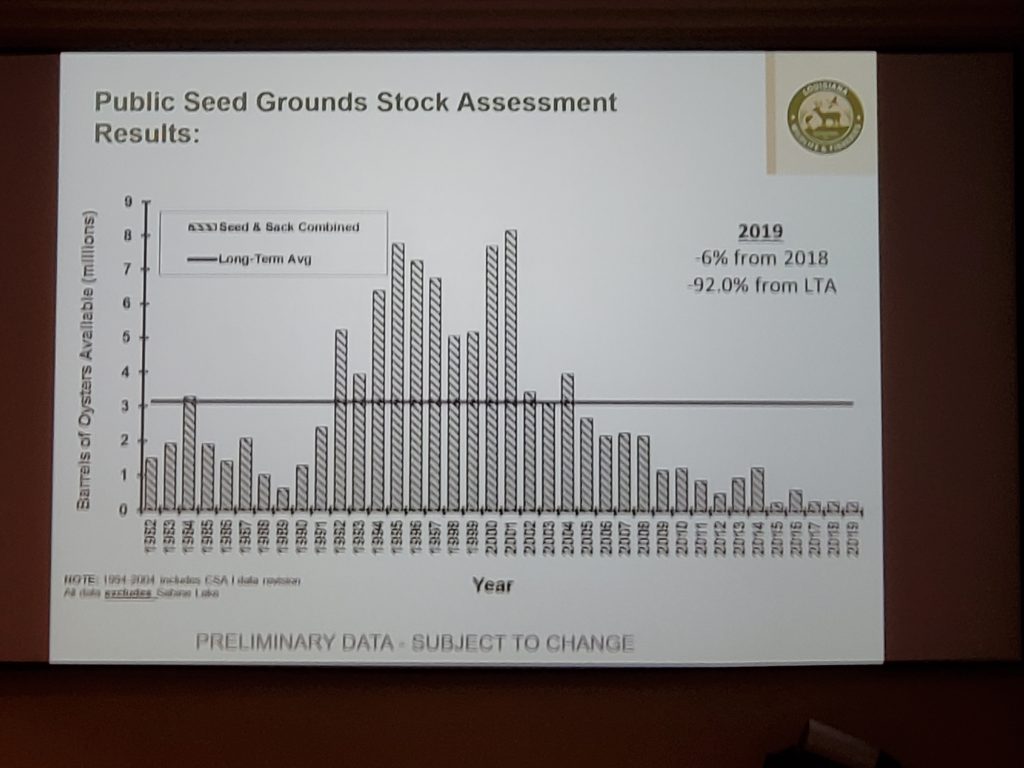
Long term trends is supply of seed oysters from public grounds in Louisina. Black horizontal line is long term average yield.

La. Oyster Task Force takes on post-flood recovery with D.C. fly-in

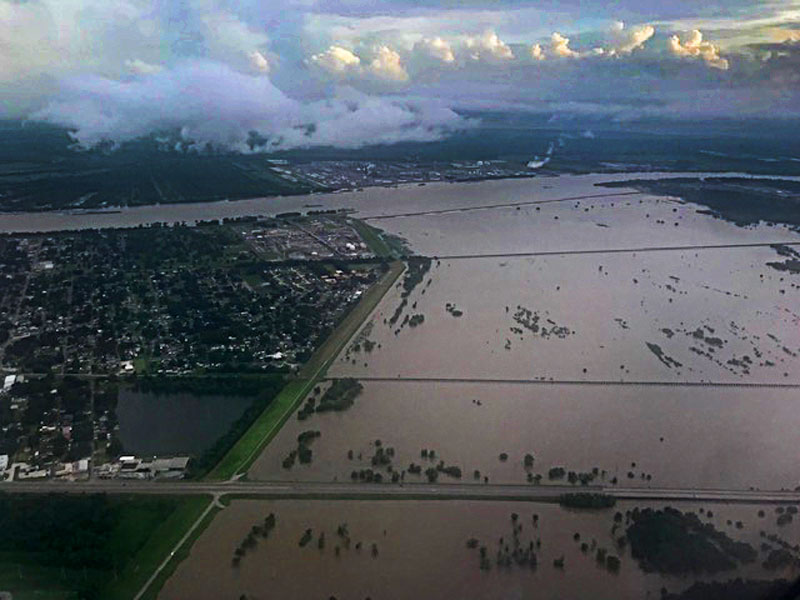
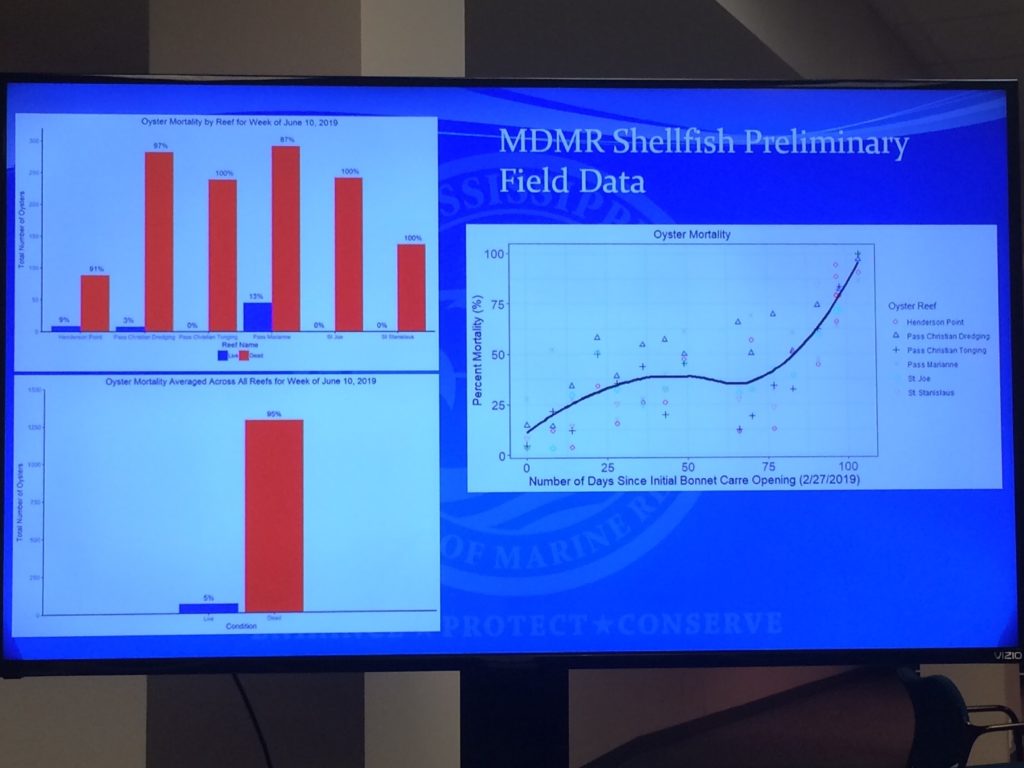
The July meeting of the La. Oyster Task Force looked at post flood damage assessments to oyster stocks in southeast Louisiana and discussed how oyster growers can be compensated when the U.S. Dept of Commerce designates the 2019 flood aftermath as a fishery disaster. Everyone urged patience with the process.

La. Oyster Task Force takes on post-flood recovery with D.C. fly-in Read More »
Wetlands at the ballot box

Wetlands at the ballot box

This is a guest blog from Cameron Bertron, a summer legal extern with Healthy Gulf. Cameron, a 3L at Tulane University Law School, is a Gulf Coast native and enjoyer of all things wetlands except mosquitoes. The Gulf of Mexico is the ninth-largest body of water in the world, and it is in part bordered

Wetlands at the ballot box Read More »

Adia

New Jersey-sized Gulf Dead Zone Threatens Gulf Fisheries

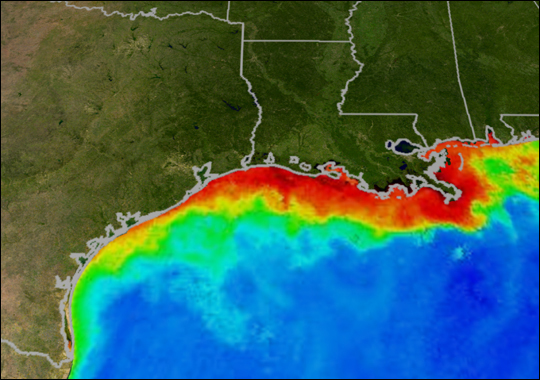
Today, scientists from Louisiana State University (LSU), the Louisiana Universities Marine Consortium (LUMCON), and National Oceanic and Atmospheric Administration (NOAA) announced the results of their recent expedition to map the size of Gulf Dead Zone– 6,952 square miles, or about the size of New Jersey. While not as big as originally estimated, likely due to

New Jersey-sized Gulf Dead Zone Threatens Gulf Fisheries Read More »

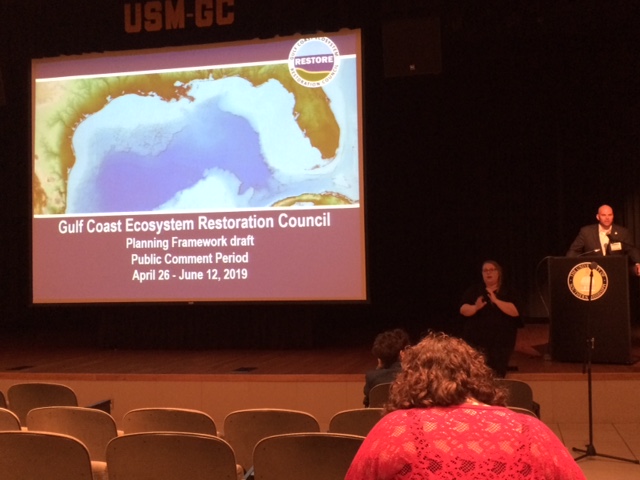
Planning Framework Draft comment meeting hosted by RESTORE Council May 22nd 2019

RESTORE Council Planning Framework Draft – Mississippi Public Comment Meeting

Healthy Gulf’s write-up of the RESTORE Council’s public comment meeting in Long Beach, Ms on their Planning Framework Draft for use in Funded Priority List 3 which will be published sometime in 2020. Comment period on this planning draft is open until June 12th, 2019.

RESTORE Council Planning Framework Draft – Mississippi Public Comment Meeting Read More »

Pearl River Marshes below Hwy 90

Modeling for Oysters and Rivers: Presentations at Mississippi Water Resources Conference April 3-4.

Research engineers from Mississippi State University are developing a hydrodynamic and water quality model for the Western Mississippi Sound for MDEQ and the National Fish and Wildlife Foundation (NFWF funding from the BP settlement). The model will be used to identify the most appropriate locations for oyster bed restoration and cultch deployment in the Western

Modeling for Oysters and Rivers: Presentations at Mississippi Water Resources Conference April 3-4. Read More »

Scroll to Top